
Tired but Wired? How Cortisol, Blood Sugar, and Sleep Keep the Cycle Going

If you feel tired but wired, you may spend the day fighting fatigue and then become unusually alert when it is finally time to sleep.
Your body feels depleted, but your mind remains active. You may struggle to fall asleep, wake a few hours later, or spend 7 or 8 hours in bed without feeling restored the next morning.
Cortisol often gets blamed for this pattern. It can play a role, along with sleep timing, light exposure, caffeine, stress, food intake, alcohol, blood sugar regulation, and training load.
These factors influence one another. Poor sleep can make energy and appetite harder to manage the next day. You may rely more heavily on caffeine, skip exercise, eat irregularly, and have another difficult night.
Looking at your full daily pattern usually provides more useful information than focusing on one hormone.
What Does Tired but Wired Mean?
Your brain uses 2 main processes to regulate sleep.
The first is sleep pressure. It gradually builds while you are awake, increasing your need for sleep as the day continues.
The second is your circadian rhythm. This internal clock helps coordinate alertness, melatonin, body temperature, cortisol, appetite, and other functions across roughly 24 hours.
These systems can move out of sync. You may build enough sleep pressure to feel physically exhausted while your body clock, environment, or stress response continues to promote alertness.
Common signs include:
- Feeling sleepy in the afternoon but alert at bedtime
- Racing thoughts after getting into bed
- Waking during the night and struggling to settle again
- Depending on caffeine to function
- Feeling physically tired but mentally restless
- Sleeping enough hours but waking unrefreshed
“Tired but wired” describes how you feel. Late caffeine, circadian disruption, ongoing stress, alcohol, menopause symptoms, medication effects, anxiety, sleep apnea, and insomnia can all produce a similar experience.
How Cortisol, Poor Sleep, and Blood Sugar Affect Energy
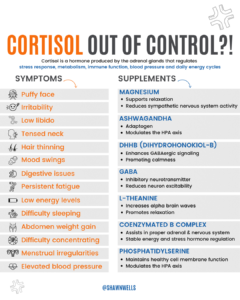
Cortisol helps regulate blood pressure, immune activity, metabolism, glucose availability, and your response to physical and psychological demands.
It also follows a daily rhythm. Cortisol usually rises around waking and gradually declines throughout the day. The morning increase supports alertness and helps prepare your body for daytime activity. A review of sleep and cortisol regulation explains how sleep timing and the circadian clock influence this pattern.
Cortisol also rises temporarily during exercise, illness, pain, fasting, and stressful events. These increases help your body respond to the situation.
Your total stress load matters. Short sleep, work pressure, hard training, missed meals, alcohol, travel, and extra caffeine can accumulate. A workout that feels productive during a well-rested week may feel exhausting when you are underfed and sleeping poorly.
Feeling alert at night does not confirm high cortisol. Feeling exhausted in the morning does not confirm low cortisol.
Poor sleep can make blood sugar harder to manage
Insulin helps move glucose from the bloodstream into cells after you eat. Sleep affects how efficiently your body responds to that signal.
Controlled research has found that reduced sleep, fragmented sleep, and circadian disruption can temporarily reduce insulin sensitivity. A meta-analysis of controlled sleep studies supports a meaningful connection between sleep and glucose regulation.
This can happen with moderate sleep loss. In one trial, women reduced their time in bed by about 90 minutes per night for 6 weeks. Insulin sensitivity declined during the sleep-restriction phase. The randomized trial suggests that modest but sustained sleep loss can affect metabolism.
After poor sleep, you may notice:
- Stronger cravings
- Less steady energy
- Poorer concentration
- Lower motivation to exercise
- Greater fatigue after meals
- More reliance on caffeine
These responses can keep the cycle going. You feel depleted, use more stimulation to remain productive, and carry some of that stimulation into the evening.
My article on blood sugar and energy explains how post-meal fatigue, afternoon crashes, brain fog, and cravings may provide useful clues about daily fuel regulation.
Can blood sugar cause 3 a.m. wake-ups?
Waking during the night is often blamed on blood sugar falling too low and cortisol rising to bring it back up.
Nighttime hypoglycemia can occur in people with diabetes who use insulin or certain glucose-lowering medications. For most adults without diabetes, waking at the same time each night does not confirm that glucose is the cause.
Stress, alcohol, sleep apnea, hot flashes, pain, reflux, medication, room temperature, and the need to urinate are also common possibilities.
A bedtime snack may help when hunger is keeping you awake, you trained late, or dinner was unusually early. The time on the clock alone is not enough reason to add one.
How to Stop Feeling Tired but Wired
Try these changes consistently for 10-14 days before deciding whether they help.
Track your wake time, final caffeine dose, nighttime awakenings, and morning energy. Review the overall pattern after 2 weeks.
1. Get morning light
Go outside soon after waking and keep your wake time fairly consistent.
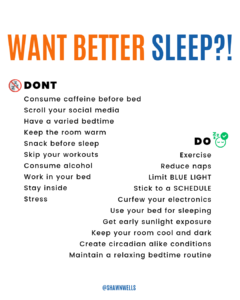
Morning daylight helps set your body clock. Bright evening light can delay melatonin and make it harder to feel sleepy. Lower the lights and reduce screen brightness during the final hour before bed.
In a controlled study, people who used a light-emitting e-reader before bed took longer to fall asleep, produced less evening melatonin, and felt less alert the next morning than people who read a printed book. The e-reader study shows how evening light can affect both sleep and next-day energy.
2. Stop caffeine earlier
Caffeine can affect sleep long after the noticeable energy boost wears off.
A controlled trial found that 400 milligrams of caffeine reduced sleep even when taken 6 hours before bed. Start by stopping caffeine at least 8 hours before your intended bedtime. Larger doses may require more time.
Count all sources, including coffee, tea, energy drinks, pre-workout products, soda, chocolate, caffeinated gum, and some medications. The caffeine timing study also found that people did not always recognize how much their sleep had been affected.
3. Eat enough during the day
Skipping meals or under-eating can leave you depleted, overly hungry, and more likely to eat a large meal late at night.
Spread your protein and total calories more evenly across the day, especially if you exercise regularly.
A 10-to-15-minute walk after lunch or dinner may also support steadier glucose regulation. In one trial, three 15-minute walks after meals improved daily glucose control in older adults at risk for impaired glucose tolerance. The post-meal walking trial supports a simple habit that is easy to apply.
4. Review alcohol and training
Alcohol may help you fall asleep faster, but sleep often becomes lighter and more fragmented later in the night.
Hard evening workouts can also leave some people more alert, particularly when they are already under-recovered. If sleep worsens during stressful periods, reduce training intensity or move demanding sessions earlier.
Declining performance, persistent soreness, lower motivation, and worsening sleep are all signs that your recovery may be falling behind.
5. Create a clear wind-down
Give your brain a noticeable transition between work and sleep.
During the final 30-60 minutes before bed:
- Dim the lights
- Finish work
- Put your phone away
- Keep the bedroom cool, dark, and quiet
My night routine for better sleep provides a more detailed setup for light, timing, and the sleep environment.
Which Supplements May Help When You Feel Tired but Wired?
Introduce one supplement at a time so you can clearly judge how it affects your sleep and morning energy.
L-Theanine
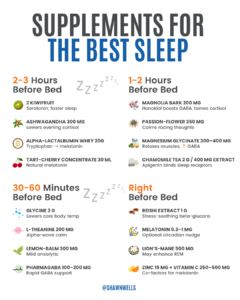
L-theanine at 200 mg, taken 30-60 minutes before bed, can help reduce mental overactivity and support restful sleep without heavy sedation. It is especially relevant when your body feels exhausted but your mind keeps running.
Recommended options:
Magnesium Glycinate
Magnesium glycinate at 300-400 mg, taken 1-2 hours before bed, supports normal nerve and muscle function and may help the body relax before sleep. It can be particularly useful when magnesium intake is low or physical tension makes it difficult to settle.
Recommended options:
Glycine
Glycine at 3 grams, taken 30-60 minutes before bed, has been studied for supporting sleep quality and reducing next-day fatigue. It may also help the body reach the lower core temperature associated with sleep onset.
Recommended options:
Melatonin
Melatonin at 0.3-1 mg can help reinforce the body’s nighttime signal, especially when your sleep schedule has shifted or you do not feel sleepy at the intended time. Timing matters because melatonin helps regulate the circadian clock rather than simply making you drowsy.
Recommended options:
When Fatigue and Poor Sleep Need Medical Evaluation
Speak with a qualified healthcare professional when fatigue or poor sleep continues for several weeks, becomes worse, or interferes with driving, work, exercise, or normal daily function.
Seek guidance if you notice:
- Loud snoring, gasping, or choking during sleep
- Severe daytime sleepiness
- Morning headaches
- Restless or uncomfortable legs
- New heart palpitations
- Unexplained weight changes
- Unusual thirst or frequent urination
- Hot flashes, night sweats, or major menstrual changes
- Persistent anxiety or low mood
- Symptoms that began after starting a medication
Sleep apnea, iron deficiency, thyroid disorders, menopause, medication effects, and mood disorders can overlap with the tired but wired pattern.
Chronic insomnia may also respond well to cognitive behavioral therapy for insomnia, known as CBT-I. A systematic review of CBT-I found meaningful improvements in several sleep outcomes.
Tired but Wired: Frequently Asked Questions
Is feeling tired but wired a sign of high cortisol?
The symptoms alone cannot show whether cortisol is high.
Stress and changes in cortisol timing may contribute. Caffeine, poor sleep, alcohol, circadian disruption, menopause symptoms, anxiety, medications, and sleep disorders can create a similar experience.
Why am I tired all day but awake at night?
Late caffeine, bright evening light, inconsistent sleep timing, stress, alcohol, daytime naps, and intense evening exercise can all shift alertness later.
Using caffeine and other stimulation to manage daytime fatigue may also make it harder to settle at night.
Should I eat before bed to prevent waking up?
A bedtime snack is not necessary for everyone.
It may help if hunger is keeping you awake, dinner was unusually early, or you trained late. Nighttime waking has several possible causes, so food should be based on your circumstances rather than the time you wake.
The Bottom Line on Feeling Tired but Wired
Feeling tired but wired usually develops from several overlapping factors.
Start with a consistent wake time and morning daylight. Move caffeine earlier. Eat enough to support your activity. Reduce bright evening light. Adjust training when recovery starts falling behind.
Supplements may help when they match a specific need, but your daily sleep signals still matter most.
For practical, science-backed guidance on energy, sleep, and supplements, join my weekly newsletter.
Share

Who is Shawn Wells?
Although I’ve suffered from countless issues, including chronic pain, auto-immunity, and depression, those are the very struggles that have led me to becoming a biochemist, formulation scientist, dietitian, and sports nutritionist who is now thriving. My personal experiences, experiments, and trials also have a much deeper purpose: To serve you, educate you, and ultimately help you optimize your health and longevity, reduce pain, and live your best life.



ORDER THE ENERGY FORMULA
Discover the 6 foundational pillars to cultivate a more caring, compassionate, connected, unified and purpose-filled life.
Hardcover, Audible & EBook Available!
UNLEASH YOUR UNLIMITED POTENTIAL
