
9 Signs Your Blood Sugar Is Quietly Draining Your Energy

Blood sugar and energy are more connected than most people realize. If you feel tired after meals, foggy in the afternoon, hungry soon after eating, or dependent on caffeine just to function, your body may be giving you clues about how well it is managing fuel.
That does not mean every energy dip is caused by blood sugar. Poor sleep, stress, dehydration, low protein intake, alcohol, overtraining, and nutrient gaps can all play a role. Still, blood sugar regulation is one of the first places I look when someone tells me their energy feels unpredictable.
This article is for education only and is not meant to diagnose, treat, or prevent any condition. If you have diagnosed blood sugar concerns, take insulin or glucose-lowering medication, or experience frequent shakiness, fainting, confusion, extreme thirst, or unexplained weight changes, please talk with your healthcare provider.
For everyone else, the goal is pattern recognition. Blood sugar is not only a “diabetes conversation”. It is also an energy, cravings, focus, mood, and recovery conversation.
I talk often about building steady energy without sugar because the goal is not to chase stimulation all day. The goal is to create a more stable internal environment so your body does not have to keep pulling you out of a crash.
How Blood Sugar and Energy Are Connected
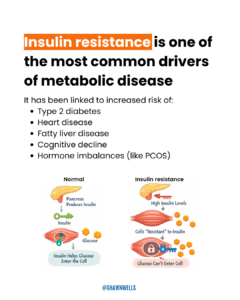
When you eat carbohydrates, your body breaks many of them down into glucose. Glucose enters the bloodstream, and insulin helps move that glucose into your cells where it can be used or stored.
When this process works well, energy tends to feel steadier. When glucose rises quickly, drops sharply, or stays elevated longer than ideal, some people may notice fatigue, hunger, brain fog, irritability, or cravings.
Clinical discussions of postprandial reactive hypoglycemia describe a drop in blood glucose after eating, usually within a few hours of a meal. It may involve symptoms like tiredness, weakness, shakiness, hunger, anxiety, or irritability in some people, although symptoms vary and frequent episodes should be evaluated.
You do not need to obsess over glucose numbers to learn from your body. A better starting point is to notice whether certain meals, fasting windows, caffeine habits, or sleep patterns consistently line up with crashes, cravings, shakiness, or brain fog.
Here are 9 signs your blood sugar may be quietly draining your energy.
1. You crash hard after meals
Post-meal fatigue is one of the clearest signs to pay attention to. If you feel sleepy, heavy, foggy, or mentally checked out after eating, especially after a high-carb, low-protein meal, your body may not be getting a steady fuel signal.
That does not mean carbohydrates are bad. Carbs can support training, recovery, mood, hormones, and performance. The issue is usually not carbs by themselves, but “lonely carbs”, meaning carbohydrates eaten with very little protein, fiber, or healthy fat. Building meals around protein first, then adding fiber-rich plants, smart carbs, and healthy fats as needed can often make energy feel more stable, especially when you are consistently getting enough protein per meal.
2. You need caffeine just to feel normal
I love smart energy tools, but caffeine should feel like a boost, not life support. If coffee no longer gives you an edge and simply makes you feel functional, I would look at baseline energy first.
Sometimes the issue is sleep debt, under-eating, dehydration, poor recovery, or starting the day with caffeine before giving the body real fuel. For people who do not tolerate caffeine well, paraxanthine as a caffeine alternative is an ingredient category I have paid close attention to as a formulator, but no stimulant should be used to cover up poor fuel, poor sleep, or poor hydration forever.
3. You get shaky, anxious, or irritable when you go too long without food
There is normal hunger, and then there is the kind of hunger that changes your mood, focus, and patience. That second pattern may be physiology, not a personality flaw.
When blood sugar dips for some people, the body can respond with stress signals, which may feel like shakiness, anxiety, weakness, brain fog, or irritability. This can happen when someone pushes fasting too aggressively before their foundation is strong. Fasting can be useful, but if sleep, protein, minerals, and recovery are not in place, it can become one more stressor rather than a clean hormetic signal.
4. You crave sugar or carbs in the afternoon
Afternoon cravings are not always a discipline problem. Often, they are a delayed message from earlier in the day.
Breakfast may have been too low in protein, lunch may have been too light, sleep may have been poor, or caffeine may have replaced food. Human research on higher-protein breakfast and appetite control suggests protein timing may support satiety in some groups, although results depend on the person and the overall diet. A practical experiment is to pair protein and fiber at breakfast and lunch for one week, then track what happens to cravings, energy crashes, and hunger.
5. Your brain fog gets worse after eating
Blood sugar and energy are not only about physical stamina. They also affect mental performance because your brain uses a lot of energy.
If you feel sharp before a meal but foggy, slow, or mentally “offline” afterward, meal composition may be part of the issue. This does not prove blood sugar is the cause, but it gives you a useful place to experiment. For one week, rate your focus 60 to 90 minutes after meals and compare the meals that make you feel clear with the ones that make you feel sluggish.
6. You wake up tired, even after enough sleep
You can sleep for 7 or 8 hours and still wake up tired. Sometimes the issue is sleep quality, not sleep duration.
Alcohol, stress, late-night eating, blood sugar swings, room temperature, light exposure, and breathing issues can all affect how restored you feel in the morning. Research on sleep restriction and glucose metabolism suggests short sleep can affect insulin sensitivity and glycemic control, although individual responses vary. Finishing dinner earlier, prioritizing protein at dinner, limiting alcohol, walking after dinner, and using targeted supplements for sleep when appropriate can all be part of a smarter rhythm.
7. You feel hungry again soon after eating
If you eat a meal and feel hungry again an hour later, that meal may not have had enough staying power. The first things I check are protein, fiber, healthy fats, and meal volume from real food.
Ultra-processed foods can be calorie-dense without being very satisfying, so you eat them, but your body keeps asking for more. That is not weakness. It is often a weak satiety signal. Fiber is especially important because it helps slow the meal down, and dietary fiber has been studied for glycemic control and weight management in people with diabetes or at risk for diabetes. That does not make fiber a cure for anything, but it does make it one of the first levers I would pull for steadier meals.
8. You feel better when you walk after meals
This is one of my favorite tools because it is simple, free, and hard to overcomplicate. If a short walk after eating improves your energy, digestion, or focus, that may be a clue that post-meal glucose handling matters for you.
Your muscles are glucose disposal engines, and when you move after a meal, your muscles can use some of that incoming fuel. Post-meal movement has been studied in healthy adults, including a randomized crossover trial where a 10-minute walk after glucose intake improved post-meal glucose measures compared with rest. You do not need a brutal workout to test this. A 10-minute walk after your largest meal for 7 days is enough to notice whether movement timing changes how you feel.
9. Your energy feels unpredictable from day to day
Stable energy usually comes from stable inputs. That does not mean perfect inputs, but it does mean your body has a rhythm it can trust.
Sleep, meals, hydration, movement, stress, light exposure, and recovery all affect how your energy feels. Studies using continuous glucose monitors suggest glycemic variability in healthy adults can happen even without diagnosed diabetes, with lifestyle factors like sleep, activity, and body composition potentially playing a role. For 7 days, track sleep quality, meal timing, protein intake, caffeine timing, hydration, cravings, afternoon energy, mood, and post-meal fatigue. You are not trying to become obsessive. You are trying to become informed.
What To Do If Blood Sugar and Energy Feel Out of Sync
If you recognize several of these signs, do not panic. Start with the basics, because the basics are not basic when you actually do them consistently.
- Prioritize protein at meals, especially breakfast. Protein helps anchor the meal, supports satiety, and can make energy feel more stable throughout the day.
- Add more fiber-rich foods. Beans, lentils, berries, chia, flax, avocado, vegetables, and whole grains, if you tolerate them well, can help slow digestion and support steadier meals.
- Walk after meals when possible. You do not need an intense workout. Even a short walk after your largest meal can help your body use incoming fuel more efficiently.
- Hydrate with minerals, not just plain water. If you drink plenty of water but still feel tired, foggy, crampy, or depleted, signs of low electrolytes may be worth considering.
- Pay attention to caffeine timing. Some people do fine with coffee first thing, while others feel anxious, shaky, or crashy when they use caffeine on an empty stomach. Your body is not wrong for giving you feedback.
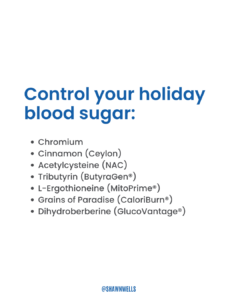
- Use supplements as support, not shortcuts. Dihydroberberine has been studied for glucose metabolism and is designed to be a more bioavailable form of berberine, which is why I pay attention to dihydroberberine benefits as a formulator.
- Build your stack in the right order. Targeted ingredients can be useful, but they belong in the support category, not the skip-the-basics category. That is also the thinking behind my supplement pyramid, which is meant to help people build a stack that actually makes sense.
- Think bigger than glucose alone. Blood sugar also connects with satiety, cravings, fullness, and metabolic signaling, which is where natural GLP-1 support can fit into the bigger conversation around energy consistency.
When To Talk To Your Healthcare Provider
Please do not ignore frequent or severe symptoms.
Talk with your healthcare provider if you experience recurring shakiness, fainting, confusion, extreme thirst, frequent urination, unexplained weight changes, or severe fatigue that does not improve.
This is especially important if you take insulin or any medication that affects blood glucose. Food, fasting, exercise, and supplements can all influence your response, so personalized guidance matters.
FAQs About Blood Sugar and Energy
Can blood sugar affect energy?
Yes. Blood sugar and energy are closely connected because glucose is one of the body’s main fuel sources. When glucose rises and falls quickly, some people may feel tired, foggy, hungry, shaky, irritable, or unfocused.
Why do I get tired after eating?
Post-meal fatigue can happen for many reasons, including meal size, sleep debt, alcohol, stress, and food composition. A high-carb meal with very little protein or fiber is one common pattern to test.
What does a blood sugar crash feel like?
Some people describe a blood sugar crash as shakiness, hunger, weakness, sweating, anxiety, irritability, fatigue, or trouble focusing. These symptoms can have many causes, so frequent or severe symptoms should be discussed with a healthcare provider.
How can I support steady blood sugar naturally?
Start with protein at meals, fiber-rich foods, walking after meals, good sleep, hydration, minerals, and strength training. Supplements may support the process, but the foundation comes first.
Is blood sugar only a concern for people with diagnosed blood sugar issues?
No. Even people without diagnosed blood sugar concerns can notice energy swings related to meal timing, sleep, stress, caffeine, alcohol, and food choices. Still, frequent or severe symptoms should always be checked by a healthcare provider.
The Bottom Line
Blood sugar is not just about lab numbers. It is about how you feel in your real life: your energy, focus, cravings, mood, recovery, and ability to show up with consistency.
The goal is not to fear carbohydrates or micromanage every bite. The goal is to build better signals through protein, fiber, minerals, movement, sleep, and targeted support when it makes sense.
When your blood sugar is more stable, your energy often becomes more stable too.
If you want more practical, science-backed insights like this to help you stay on top of your health, join my weekly newsletter and I’ll send them straight to your inbox.

References
Abdi, S. A. H., Abdi, S. I. A., Ali, M. H., Balani, N. A., Balani, N. A., Jacob, H. L., … & Khan, R. (2025). Retracted: Effects of Dietary Fiber Interventions on Glycemic Control and Weight Management in Diabetes: A Systematic Review of Randomized Controlled Trials. Cureus, 17(2).
Hashimoto, K., Dora, K., Murakami, Y., Matsumura, T., Yuuki, I. W., Yang, S., & Hashimoto, T. (2025). Positive impact of a 10-min walk immediately after glucose intake on postprandial glucose levels. Scientific Reports, 15(1), 22662.
Kashiwagi, K., Inaishi, J., Kinoshita, S., Wada, Y., Hanashiro, S., Shiga, K., … & Kishimoto, T. (2023). Assessment of glycemic variability and lifestyle behaviors in healthy nondiabetic individuals according to the categories of body mass index. PloS one, 18(10), e0291923.
Leidy, H. J., Ortinau, L. C., Douglas, S. M., & Hoertel, H. A. (2013). Beneficial effects of a higher-protein breakfast on the appetitive, hormonal, and neural signals controlling energy intake regulation in overweight/obese,“breakfast-skipping,” late-adolescent girls. The American journal of clinical nutrition, 97(4), 677-688.
Maloney, A., & Kanaley, J. A. (2024). Short sleep duration disrupts glucose metabolism: can exercise turn back the clock?. Exercise and sport sciences reviews, 52(3), 77-86.
Sweatt, S. K., Thomas, D. M., LaPorte, G. J., Chauff, S., Stefanovski, D., & Gower, B. A. (2026). Defining and characterizing postprandial reactive hypoglycemia. Nutrients, 18(5), 822.
Share

Who is Shawn Wells?
Although I’ve suffered from countless issues, including chronic pain, auto-immunity, and depression, those are the very struggles that have led me to becoming a biochemist, formulation scientist, dietitian, and sports nutritionist who is now thriving. My personal experiences, experiments, and trials also have a much deeper purpose: To serve you, educate you, and ultimately help you optimize your health and longevity, reduce pain, and live your best life.



ORDER THE ENERGY FORMULA
Discover the 6 foundational pillars to cultivate a more caring, compassionate, connected, unified and purpose-filled life.
Hardcover, Audible & EBook Available!
UNLEASH YOUR UNLIMITED POTENTIAL
