
Do You Need Electrolytes Every Day? When Water Is Enough and When It Isn’t

If you’ve wondered, do you need electrolytes every day, the short answer is no, not necessarily.
For most healthy adults, water and a balanced diet can cover everyday hydration needs. Electrolyte drinks become more useful when you are losing more fluid and minerals than usual, especially through prolonged exercise, heavy sweating, hot weather, or repeated training sessions.
The amount you need can also vary considerably from someone else’s. Your sweat rate, diet, environment, activity level, and even how salty your sweat is all affect the equation.
That is why I would not make electrolytes an automatic daily habit without first looking at what your body is actually being asked to replace.
This article is for general education. If you have kidney or heart concerns, have been told to limit sodium or fluids, or take medications that affect fluid or electrolyte balance, discuss regular electrolyte use with your healthcare provider.
Do You Need Electrolytes Every Day?
For most people, you do not need an electrolyte supplement every day.
Electrolytes are minerals that carry an electrical charge in fluid. Sodium, potassium, chloride, magnesium, and calcium are some of the main ones. They help regulate fluid balance, nerve signaling, muscle contraction, and many other processes your body manages constantly.
You also get them from food.
Sodium and chloride largely come from salt. Potassium is found in foods such as potatoes, beans, fruit, vegetables, dairy, and meat. Magnesium is available from nuts, seeds, legumes, leafy greens, and whole grains.
Your kidneys and hormones continually adjust how much water and electrolytes your body retains or excretes. The Dietary Reference Intakes for sodium and potassium describe how tightly these minerals are regulated and why needs cannot be reduced to one amount that suits everyone.
If you work indoors, eat regular meals, drink according to thirst, and do not lose large amounts of sweat, adding electrolytes to every bottle of water is usually unnecessary.
This is also why I put hydration and nutrition near the foundation of my Supplement Pyramid. Supplements are most useful when they solve an actual need rather than becoming another box to check each morning.
When Is Water Enough?
Plain water works well for much of normal daily life.
A walk, a typical strength workout, light cardio, errands, desk work, and other everyday activities usually do not create enough electrolyte loss to require a specialized drink, especially if you are eating afterward.
Your body has several systems that regulate fluid balance, including thirst and hormones that influence how much water your kidneys retain. A review of water, hydration, and health explains how these systems help maintain fluid balance across normal daily conditions.
Exercise changes things mainly when sweat losses start becoming significant.
That means the question is not simply whether you exercised. It is how long you exercised, how hard you worked, how much you sweated, the conditions you trained in, and how quickly you need to recover.
When Do Electrolytes Become More Useful?
Electrolytes deserve more attention when you are losing a meaningful amount of sweat.
That is more likely during long workouts, endurance events, outdoor sports, physically demanding work, or training in hot and humid conditions. The longer and hotter the session becomes, the more fluid and sodium you may lose.
There is also enormous variation between people.
Research looking at sweat rate and sweat sodium concentration in athletes found substantial differences between individuals. Two people can complete the same workout and lose very different amounts of fluid and sodium.
This is why a fixed recommendation such as “everyone needs electrolytes after 60 minutes” is too simple.
A person who runs for an hour in cool weather and barely sweats has a different need from someone who plays 2 hours of tennis outdoors in July and finishes with a soaked shirt.
Electrolytes may also be more useful when you have limited time to recover. If you train twice in one day, compete in several matches, or need to perform again a few hours later, replacing fluid and sodium efficiently matters more than it does when you have the rest of the day to eat, drink, and recover.
Human trials on rehydration after exercise suggest that beverage composition can influence fluid restoration, particularly after meaningful dehydration.
Do You Need Electrolytes After a 30-Minute Workout?
Usually not.
If you lift weights or do moderate cardio for 30 minutes in a comfortable environment, drink some water, and eat normally afterward, your next meal will likely provide the minerals you lost.
A short workout can still lead to substantial fluid loss under the right conditions, though. High-intensity conditioning outdoors in summer is different from a 30-minute gym session with air conditioning.
Instead of using workout duration alone, look at the full situation:
- Were you sweating heavily?
- Was it hot or humid?
- Did your clothes become soaked?
- Are you training again soon?
- Did you start the workout already under-hydrated?
That same context-first approach applies to workout supplements in general. The useful choice depends on what the workout is demanding from you.
How Can You Tell If You Lose a Lot of Sweat?
You can learn quite a bit without specialized testing.
Pay attention to whether your clothes become soaked, sweat drips heavily from your body, or white salt marks regularly appear on dark clothing. Those signs do not give you an exact sodium measurement, but they tell you that your losses may be worth paying attention to.
If you want a better estimate of fluid loss, weigh yourself immediately before and after a typical training session. Account for anything you drank during the workout.
A loss of about one pound of body weight represents roughly 16 ounces of fluid, although this is still an estimate rather than a perfect laboratory measurement.
Changes in body mass are commonly used to estimate exercise-related fluid losses, and research on sweat-rate assessment discusses both the usefulness and limitations of this approach.
You do not need to weigh yourself after every workout. A few sessions in different conditions can help you understand whether you tend to be a light, moderate, or heavy sweater.
Which Electrolytes Matter Most for Hydration?
All electrolytes have important roles, but sodium deserves particular attention when you are replacing sweat losses.
Sodium and chloride are the primary electrolytes lost in sweat. You also lose potassium, calcium, and magnesium, but generally in smaller amounts.
This matters when comparing electrolyte products because a long list of minerals on the front of the package does not necessarily tell you whether the formula matches what you are losing.
Sodium requirements during exercise are also highly individual. Someone with a high sweat rate and salty sweat may lose considerably more sodium than someone doing the same activity beside them.
That is another reason I would not recommend chasing one universal sodium number. Research on individual variation in sweat sodium shows why exercise conditions and personal sweat characteristics matter.
For most recreational workouts, there is no reason to calculate your sodium loss down to the milligram. It becomes more useful for endurance athletes, heavy sweaters, people exercising for long periods in the heat, or anyone repeatedly struggling to stay hydrated during demanding activity.
Can You Drink Electrolytes Every Day?
For many healthy, active adults, an electrolyte drink can fit into a normal diet. That does not mean everyone benefits from having one every day.
Look at your total intake.
If you already eat plenty of sodium, spend most of the day indoors, and exercise lightly, adding a high-sodium drink every morning may simply be unnecessary.
On the other hand, daily use can make more sense during periods when you are training frequently, sweating heavily, working outside, or spending significant time in hot weather.
The label matters too. “Electrolytes” can describe very different products. Some provide meaningful sodium and other minerals. Others contain such small amounts that they function more like flavored water.
What matters is whether the amount in the product matches the fluid and electrolytes you’re actually losing.
Can You Drink Too Much Water?
Yes, particularly during long endurance events.
Most hydration advice focuses on not drinking enough, but forcing down large amounts of water can create a different problem. If fluid intake greatly exceeds what you lose, blood sodium can become diluted.
This is known as exercise-associated hyponatremia. The international consensus statement on exercise-associated hyponatremia identifies excessive fluid intake relative to losses as an important driver.
Problems tend to arise when fluid intake consistently exceeds sweat losses, especially during long endurance events.
During long events, hydration should roughly reflect your losses rather than following a rule to drink as much as you possibly can.
Do Electrolytes Give You Energy?
Electrolytes do not provide energy in the same way carbohydrates supply calories or stimulants increase alertness.
They support processes required for performance, including normal nerve signaling, muscle contraction, and fluid balance.
If you have lost a lot of fluid and sodium, restoring them may help you feel and perform better because you are correcting part of the problem. That does not make electrolytes a general cure for fatigue.
Poor sleep, low calorie intake, blood sugar fluctuations, stress, inadequate recovery, and other factors can all affect energy. My article on blood sugar and energy covers several of those patterns in more detail.
Hydration can also affect how you feel mentally. A meta-analysis of dehydration and cognitive performance found modest declines in some areas of cognition, particularly as fluid losses became larger. The evidence is not strong enough to blame every afternoon slump or episode of brain fog on dehydration, but hydration is worth considering when fluid losses have been significant.
Does an Electrolyte Drink Need Sugar?
Not always.
Sugar serves a purpose in some sports drinks because carbohydrates can provide fuel during prolonged exercise while the drink also replaces fluid and electrolytes.
That can be useful during long endurance sessions, races, or other situations where carbohydrate intake is part of the fueling strategy.
If you are sitting at a desk, doing a short workout, or simply looking to replace electrolytes without additional calories, you may not need that carbohydrate.
Research on carbohydrate-electrolyte drinks and post-exercise rehydration shows why the ideal drink depends on the situation rather than whether sugar is inherently “good” or “bad.”
Choose based on what you are doing.
What Should You Look for in an Electrolyte Powder?
Start with the actual amounts, not the number of ingredients on the front of the package.
For someone using an electrolyte powder around meaningful sweat loss, I would look at the sodium content first, followed by the rest of the electrolyte profile. Then consider whether the amounts make sense for how you intend to use it.
Also look for transparency. You should be able to tell how much of each active ingredient you are getting rather than relying on a proprietary blend.
If the formula includes ingredients beyond standard electrolytes, there should be a clear reason they are there.
Glycerol is one example. It has been studied as a way to increase fluid retention when consumed with water, particularly before exercise in conditions where substantial fluid loss is expected. A systematic review of pre-exercise hyperhydration found that strategies involving additional fluid, sodium, glycerol, or combinations of these may increase total body water before exercise.
That does not mean glycerol automatically improves performance. The results depend on the dose, exercise conditions, environment, and protocol. Its clearest role is in helping the body retain more of the fluid consumed.
Finally, look for quality testing. Third-party testing for identity, purity, and potency gives you more confidence that the product contains what the label says it does.
On days you sweat more, replace more than water
Long workouts, hot weather, and heavy sweating can mean losing meaningful amounts of sodium and other electrolytes along with fluid.
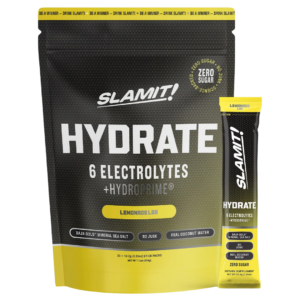
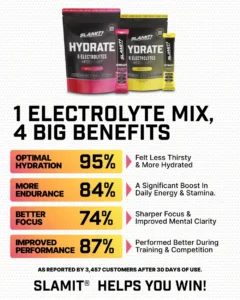
SLAMIT HYDRATE gives you 6 electrolytes to help replace those losses, plus HydroPrime® glycerol to support fluid retention.
It’s most useful on the days your hydration needs are higher, not something you necessarily need in every glass of water.
Share

Who is Shawn Wells?
Although I’ve suffered from countless issues, including chronic pain, auto-immunity, and depression, those are the very struggles that have led me to becoming a biochemist, formulation scientist, dietitian, and sports nutritionist who is now thriving. My personal experiences, experiments, and trials also have a much deeper purpose: To serve you, educate you, and ultimately help you optimize your health and longevity, reduce pain, and live your best life.



ORDER THE ENERGY FORMULA
Discover the 6 foundational pillars to cultivate a more caring, compassionate, connected, unified and purpose-filled life.
Hardcover, Audible & EBook Available!
UNLEASH YOUR UNLIMITED POTENTIAL
