• Course
  • Resources
    • Guides
    • Podcasts
    • Blogs
    • Shawn Recommends
  • Work With Me
    • Innovation
    • Formulation
    • Education
  • Newsletter
  • Contact
  • instagram
  • search
  • Course
  • Resources
    • Guides
    • Podcasts
    • Blogs
    • Shawn Recommends
  • Work With Me
    • Innovation
    • Formulation
    • Education
  • Newsletter
  • Contact
  • instagram
  • search
×
WORK WITH ME

Education

icon icon icon icon icon icon icon
Linkdin

Connect with shawn ON LINKEDIN

Guides

Podcasts

Blogs

Shawn recommends

Image

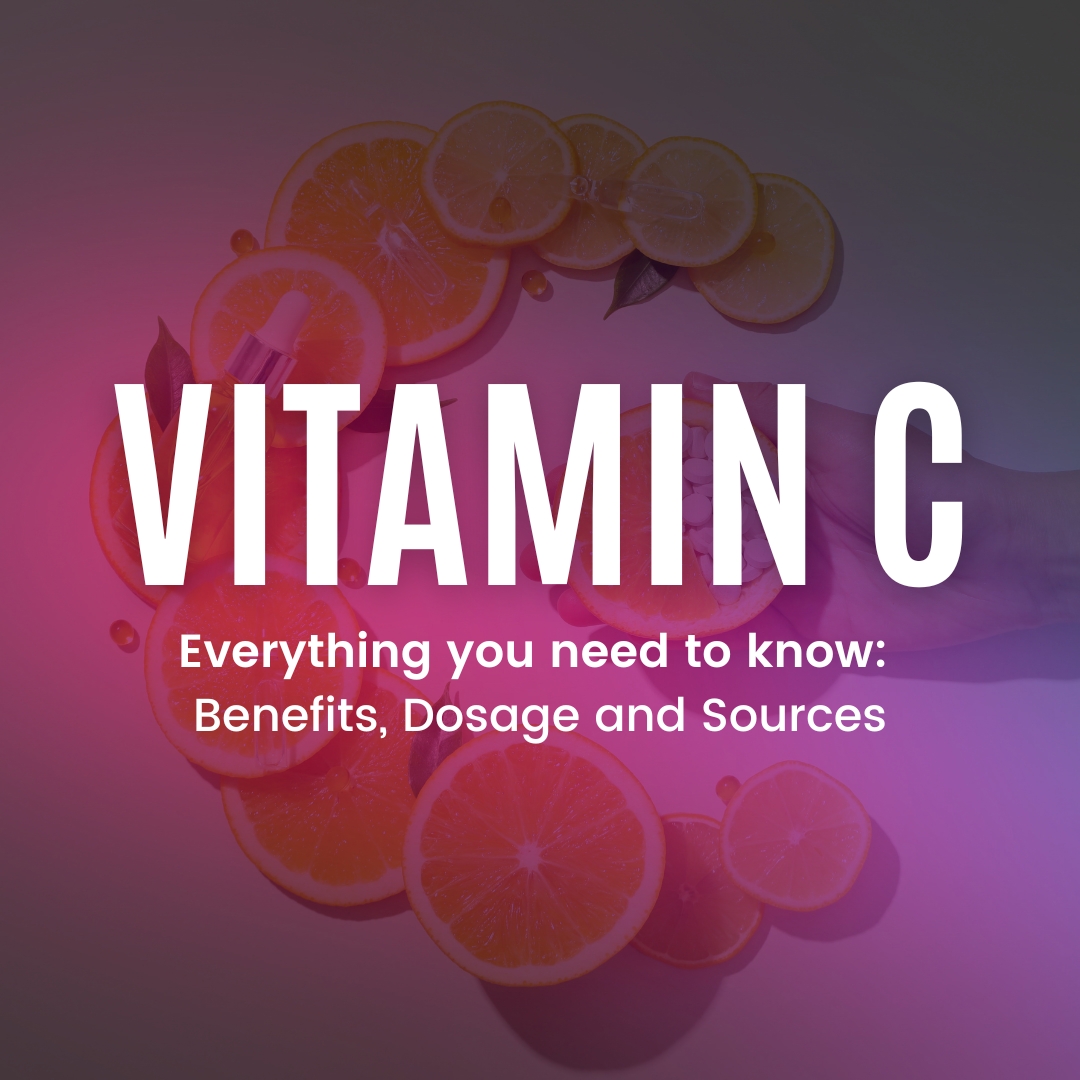
VITAMIN C

– Guides
Image

CAFFEINE ADDICTION? DO THIS INSTEAD

– Podcasts
Image

You Are More Bacteria Than Human

– Blogs
Image

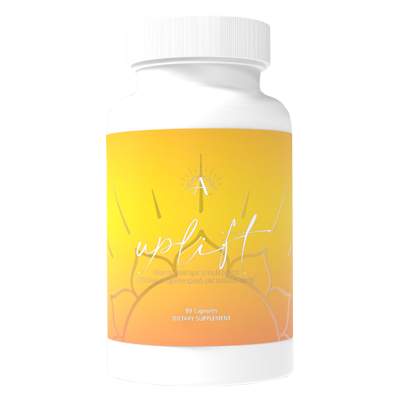
Awakened Uplift

– Shawn recommends
Your workout is only as good as your fuel?! The ri Your workout is only as good as your fuel?!
The right supplements can maximize performance, endurance, and recovery. But are you using the right ones?

Pre-Workout Essentials:
- Paraxanthine (100-200 mg): A caffeine metabolite that boosts focus without jitters. Follow product-specific guidelines as research is emerging.
- Beta-Alanine (2-5 g daily): Buffers lactic acid, delaying fatigue. May cause harmless tingling.
- Creatine Monohydrate (3-5 g daily): Increases power, muscle mass, and recovery. Stay hydrated to avoid bloating.
- Citrulline Malate (6-8 g): Enhances nitric oxide, improving blood flow and muscle pump. Look for a 2:1 ratio of citrulline to malate.
- Betaine (1.25-2.5 g): Supports hydration and may improve power output. Often paired with creatine.
- Alpha-GPC (300-600 mg): Boosts cognitive function and power output. Best taken 30-60 minutes pre-workout.

Post-Workout Recovery:
- Dileucine (1-3 g): A novel leucine dipeptide that may enhance muscle protein synthesis. Research on dosing is evolving.
- Whey Protein (20-30 g per serving): Aids muscle repair and synthesis. Total daily intake: 1.2-2.2 g/kg body weight.
- Carbs (30-60 g post-workout): Replenishes glycogen stores for recovery. Sources: fruit, oats, or dextrose-based supplements.
- BCAAs/EAAs (5-15 g): May reduce soreness and support muscle repair. Leucine is key for muscle protein synthesis.
- Creatine (3-5 g daily): Supports ATP production, strength, and recovery. Can be taken pre- or post-workout.
- Omega-3s (1-3 g EPA/DHA daily): Reduces inflammation and enhances recovery. Best absorbed with a meal.

What’s in your pre/post-workout routine? Have you noticed a difference in performance when you dial in your supplements?

#workoutfuel #preworkout #postworkout #musclerecovery #creatine #betaalanine #citrulline

PMID: 29473893
PMID: 30089501
PMID: 35215543
Donating blood helps you live longer?! Emerging r Donating blood helps you live longer?!

Emerging research shows that regular blood donors may experience:
- 10-40% lower risk of cardiovascular events
- Up to 40% reduced risk of heart attacks

That’s not just correlation. It may be linked to how blood donation impacts iron regulation, inflammation, and oxidative stress.

Heart health benefits:
- A Finnish study found that men who donated blood at least once per year had significantly lower rates of heart attacks.
- One likely reason: reducing excess iron stores, which helps minimize oxidative damage to blood vessels and lowers chronic inflammation.

Why iron matters:
- Elevated iron can promote free radical formation, contributing to atherosclerosis and heart disease.
- Blood donation may help maintain healthy iron levels, especially in men and postmenopausal women who don’t have natural iron loss through menstruation.

BONUS: routine health screenings!
Blood donors undergo regular blood pressure, hemoglobin, and disease checks, which can offer early detection of potential issues.

But here’s the nuance:
Some of these benefits could also reflect the “healthy donor effect”. Donors must meet health requirements, meaning they’re often already more health-conscious than the general population.

Still, donating blood is one of the few actions that may:
- Support community health
- Improve your own cardiovascular profile
- Possibly extend lifespan

I donate blood because it saves lives. If it also helps me stay younger and healthier? That’s a win I’ll gladly take.

Have you donated blood before? Did you feel more energized, grounded, or gain a sense of purpose?

#blooddonation #hearthealth #longevity #ironlevels #biohacking #cardiovascularhealth #healthyaging #internationalvolunteerday

PMID: 9737556
ISSN 1423-0410
For most of my life, I was chasing something I cou For most of my life, I was chasing something I could never quite name...
More success, more validation, more proof that I was enough.
And no matter how much I achieved, something in me still felt unfinished.

That changed during a session with a world class hypnotherapist. He guided me back to a childhood memory I had learned to avoid. Then he asked me to do something simple but uncomfortable: give that younger version of myself a hug.

And then came the question that broke me open:
“What does that child think about you now?”

I started sobbing. Because that five year old did not see my failures or my flaws. He thought I was a rock star. He was proud of me in a way I had never allowed myself to feel.

There is real science behind why this kind of moment hits so deeply:
- Revisiting old memories with compassion engages neuroplasticity, allowing the brain to form new emotional associations.
- Research on memory reconsolidation shows that when a painful memory is recalled in a safe context, it can be updated with healthier patterns.
- Self compassion practices support the parasympathetic nervous system, lowering stress responses and calming emotional reactivity.
- The brain processes imagined experiences in ways similar to real ones, which is why inner child work can shift how we show up today.

We spend so much energy pushing ourselves, criticizing ourselves, wondering why we are not further along.

But the younger version of you often sees it more clearly. They see survival. They see growth. They see someone they would look up to.

Take a quiet moment. Ask yourself...

What would your younger self say about the person you have become?

#innerchildhealing #neuroscience #selfreflection #mentalhealthawareness #emotionalhealing #neuroplasticity #mindsetmatters #healingjourney #selfcompassion #personaldevelopment

PMID: 18365029
PMID: 21120142
PMID: 22796446
PMID: 23765157
PMID: 24145331
PMID: 31367027
10 million Americans experience Seasonal Affective 10 million Americans experience Seasonal Affective Disorder each year.
Women are 4x more likely to be affected.

As someone who’s worked with thousands of clients, I’ve seen the pattern year after year: fatigue creeps in, motivation drops, mood shifts. And most people don’t realize it’s not just “winter blues”—it’s biology.

SAD is a clinically recognized form of depression, triggered by reduced sunlight, disrupted circadian rhythms, and hormone imbalances. It’s most common from fall to early spring, especially in those ages 18–30.

What’s happening in your body:
- Less light = less serotonin, the mood-regulating neurotransmitter
- More darkness = more melatonin, the sleep hormone
- Vitamin D drops, impacting mood, immune health, and inflammation
- This leads to sluggishness, cravings, low mood, and social withdrawal

What helps:
- Core nutrients: Vitamin D3 (with K2), omega-3s, B-complex, methylated B12, magnesium
- Mood support: Zinc, SAM-e, Rhodiola, 5-HTP, L-theanine, probiotics, ashwagandha
- Lifestyle shifts: Morning light exposure, daily movement, quality sleep, nutrient-dense foods, cold exposure, red light therapy, community connection

Even small changes can shift your biology. Try starting with 10 minutes of sunlight in the morning or a 20-minute walk.

Which one of these strategies are you committing to this week?

#seasonalaffectivedisorder #sadrelief #winterdepression #vitaminddeficiency #mentalhealthsupport #sciencebasedwellness #moodsupport #lighttherapy #holisticmentalhealth #circadianhealth

PMID: 15800134
PMID: 17563165
PMID: 2326393
PMID: 26688752
Severe cramps, mood swings, fatigue, and anxiety a Severe cramps, mood swings, fatigue, and anxiety aren’t just “part of being a woman"?!

They’re common, but NOT normal. And your body is asking for support, not suppression.

PMS is often the result of nutrient depletion, inflammation, stress, and hormonal imbalances that build up over time.

Here’s what science shows can make a difference:
- Magnesium (200–400 mg/day): Supports muscle relaxation, reduces irritability, and improves sleep
- Vitamin B6 (50–100 mg/day): Eases mood swings by supporting neurotransmitter balance
- Omega-3s (1–2 g/day): Reduces inflammation, cramps, and bre@st tenderness
- Chasteberry (Vitex): Supports the brain-ovary connection and helps regulate estrogen-progesterone balance
- Ashwagandha & Rhodiola: Lower cortisol and support the body’s stress resilience, which is key to reducing PMS symptoms

Beyond supplements, two lifestyle shifts can amplify your results:

1. Stabilize Blood Sugar
Mood swings and cravings often spike when blood sugar is unstable. Prioritize protein, healthy fats, and fiber at each meal to prevent the crashes that worsen PMS.

2. Support Estrogen Detox
If your body isn’t clearing estrogen efficiently, symptoms like irritability, breast tenderness, and water retention get worse. Cruciferous veggies (like broccoli and arugula), fiber, and liver support compounds like DIM and calcium d-glucarate can help.

You don’t have to suffer through every cycle.

Your symptoms are signals. Let’s give your body what it actually needs to feel safe, steady, and supported.

What’s something that’s actually helped you manage PMS?

Comment “PMS Guide” and I’ll DM you my Ultimate PMS Stack guide!

#PMSrelief #periodsupport #hormonalhealth #womenswellness #menstrualhealth #naturalpmssupport #balanceyourhormones #cyclehealth #rootcausehealing

PMID: 11259985
PMID: 17187801
PMID: 19269753
PMID: 20378318
PMID: 23642943
PMID: 23853635
PMID: 29920018
PMID: 31517876
PMID: 34353704
DOI:10.1089/jmf.1998.1.67
More than 60% of bottled water on shelves is just More than 60% of bottled water on shelves is just treated tap water?!

Investigations have found that many big name brands like Aquafina and Dasani start with municipal water. The process removes minerals your body relies on, but trace contaminants from city supplies can still remain.

That surprised me the first time I dug into the data.

Here is why this matters for hydration...
- Your cells rely on minerals like sodium, potassium, magnesium, and calcium to move water where it needs to go
- Ultra purified water often removes these minerals, which can reduce how well you actually hydrate
- Municipal sources can contain trace levels of pharmaceutical residues and industrial byproducts that pass through treatment systems
- Studies show that mineral rich water supports better fluid balance than demineralized water in healthy adults

For me, learning this shifted how I think about “clean” water. It is not just about removing things. It is about keeping what your body depends on for real hydration.

What type of water actually makes you feel your best day to day?

#hydration #waterquality #mineralsmatter #wellness #biohacking #healthoptimization #electrolytes

PMID: 16813019
PMID: 21029189
PMID: 21063687
JOIN THE COMMUNITY
Shawn Wells

Connect with shawn ON LINKEDIN

icon GET CONNECTED

Links

  • The Energy Formula
  • Contact Shawn
  • Media Kit
  • Course

Expertise

  • Formulation
  • Innovation
  • Education

Resources

  • Guides
  • Podcasts
  • Blogs
  • Shawn Recommends

Contact

me@shawnwells.com
icon icon icon icon icon icon icon

© 2025 SHAWN WELLS INGREDIENTOLOGIST

TERMS & CONDITIONS

PRIVACY POLICY

Legal Disclaimer

SITE BY SLATE

Company-logo

Are you ready for
True, Lasting Transformation?


Join The ENERGY Formula Masterclass, where renowned expert Shawn Wells
‘The most trusted voice in supplements’ guides you toward taking control of your life, mastering a resilient mindset, growing with a supportive community

All the tools you need for unstoppable energy.
Start investing in yourself today.

Enroll now