• Business Solutions
    • Zone Halo Formulations
    • Novel Ingredients
    • Business Consulting
  • Speaking
  • The ENERGY Formula
    • Take the Course
    • Read the Book
  • Shawn Recommends
  • Resource Library
    • Guides
    • Podcasts
    • Blogs
  • SUBSCRIBE
  • search
  • Business Solutions
    • Zone Halo Formulations
    • Novel Ingredients
    • Business Consulting
  • Speaking
  • The ENERGY Formula
    • Take the Course
    • Read the Book
  • Shawn Recommends
  • Resource Library
    • Guides
    • Podcasts
    • Blogs
  • SUBSCRIBE
  • search
×
WORK WITH ME

Education

icon icon icon icon icon icon icon
Linkdin

Connect with shawn ON LINKEDIN

Guides

Podcasts

Blogs

Shawn recommends

Image

VITAMIN C

– Guides
Image

CAFFEINE ADDICTION? DO THIS INSTEAD

– Podcasts
Image

You Are More Bacteria Than Human

– Blogs
Image

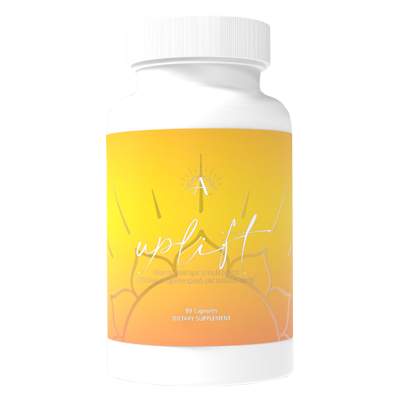
Awakened Uplift

– Shawn recommends
The bright yellow urine people notice after a B co The bright yellow urine people notice after a B complex usually comes from riboflavin (vitamin B2).

Riboflavin absorbs fast, does its job, and the extra gets excreted. That visible effect is what fueled the idea that vitamins are just being “peed out”.

In most cases, that conclusion is wrong.

What actually determines whether B vitamins help is not urine color. It’s whether your body can use the form you’re taking.

B vitamins have to be converted into active forms before they can support energy, brain chemistry, and methylation. For a lot of people, that conversion step is where things slow down.

Folate is the clearest example...

30-40% of the population carries common MTHFR variants, which can reduce how efficiently folic acid is converted into its active form. Yet folic acid is still widespread in cereals, breads, and many supplements. On paper, intake looks fine. Functionally, it may not be.

That mismatch is why some people take B vitamins for years and feel nothing or feel off.

Using active forms like methylfolate instead of folic acid, and methylcobalamin instead of cyanocobalamin, removes extra conversion steps. The body does not have to work as hard to turn them into something usable.

This does not mean standard forms never work. It just means people don’t process them the same way. And for some, the form matters more than the amount.

A few useful anchors:
- Neon yellow urine usually reflects riboflavin, not wasted nutrition
- Conversion efficiency matters as much as intake
- Methylated forms reduce variability between people
- Long-term folate intake should always be considered alongside B12

Have you ever checked which forms of B vitamins you’re taking?

#bvitamins #methylation #folate #brainenergy #nutritioneducation

PMID: 26451605
https://ods.od.nih.gov/factsheets/Folate-HealthProfessional/
https://ods.od.nih.gov/factsheets/Riboflavin-HealthProfessional/
https://ods.od.nih.gov/factsheets/VitaminB12-HealthProfessional/
https://www.cdc.gov/folic-acid/data-research/mthfr/index.html
Your mitochondria decide how much usable energy yo Your mitochondria decide how much usable energy you actually get from the food you eat.

So you can eat well, train hard, even sleep 7–8 hrs… and still feel off if that system isn’t working efficiently.

Energy is not just intake. It’s conversion.

And when that conversion drops, the signs show up quietly:
- You rely more on caffeine just to get going
- Workouts feel heavier without a clear reason
- Focus fades faster during the day
- Recovery takes longer than it used to

That’s not just “being tired”. That’s reduced cellular energy output.

What makes this interesting is how adaptable this system is.

Mitochondria respond directly to demand.
They scale up when challenged, and down when they’re not.

So the question becomes... what signals are you giving them daily?

- Training that actually pushes capacity, not just burns calories
- Sleep long enough to restore mitochondrial respiration, not just get by
- Exposure to controlled stress like heat or cold
- Time between meals that allows fuel switching, not constant intake

None of this is extreme, but it has to be consistent.

Supplements can support the system, but they don’t replace it. If the signal isn’t there, the output won’t be either.

Over time, when mitochondrial function improves, energy stops feeling unpredictable.

It becomes something you can rely on.

Where do you feel your energy drop the most right now?

#mitochondria #cellularenergy #metabolichealth #longevityscience #energyperformance

PMID: 26942670
PMID: 27304506
PMID: 2795824
PMID: 32078168
40% of dementia risk is linked to factors we can c 40% of dementia risk is linked to factors we can change.

That means what you do in your 40s and 50s can shape how your brain performs in your 60s, 70s, and beyond.

Below are evidence-backed options to complement solid sleep, regular movement & lifelong learning.

What to try and how to use it:

- MCTs: begin with 1 tsp at meals and build to 1-2 tbsp. C8 & C10 raise ketones that the brain can use when glucose use dips with age. Increase slowly to avoid GI upset.

- Magnesium L-threonate: 1.5-2 g per day in 2-3 doses. Early human data suggest memory support. Many prefer it at night for sleep quality.

- Lion’s mane: choose fruiting-body extract with beta-glucans listed. Try 500-1000 mg daily. A small trial in older adults found memory gains that faded after stopping.

- Omega-3s: if you do not eat fatty fish 2-3x per week, consider 1-2 g EPA + DHA with food. Evidence is stronger for brain structure & heart health than for memory in healthy adults.

- Acetyl-L-carnitine: 500-1500 mg in the morning may support mental energy. Research is most convincing in people with mild cognitive concerns.

- Vitamin D3 + K2: test your 25-OH vitamin D and aim for 30-50 ng/mL. Many adults need 1000-4000 IU D3 daily. Pair with K2 MK-7 90-180 mcg to guide calcium where it belongs.

- CoQ10 ubiquinol: 100-200 mg with a fatty meal for mitochondrial support. Cognition data in healthy adults are limited, so consider it if your energy is low or you use statins.

From years of formulating and reading the literature, I see a clear pattern. Small wins add up. Track what you take, how you sleep, and how sharp you feel for 14 days, then adjust one thing at a time.

Safety first...
- Talk with your clinician if you use blood thinners or blood pressure meds.
- Add one new supplement at a time so you can tell what helps.
- Food quality, resistance training, sunlight & sleep set the foundation.

Follow me and comment "Brain Stack" for a DM with my favorite cognitive health supplements!

#brainhealth #healthyaging #cognitiveperformance #nootropicscience #longevitynutrition

PMID: 12374491
PMID: 12598816
PMID: 18844328
PMID: 22696350
PMID: 24995480
PMID: 26519439
PMID: 31027873
PMID: 32738937
I have always believed that most of what we try to I have always believed that most of what we try to fix with supplements should start with food.

A lot of what people try to “fix” with pills often comes down to missing nutrients from daily meals.

Magnesium, omega-3s, zinc, choline, potassium… these are not niche compounds. They are core inputs your body uses every day to regulate energy, mood, hormones, and recovery.

Here is what stands out in the data:
- Up to 50% of people fall short on magnesium, which impacts sleep, stress, and muscle function
- Omega-3 intake is consistently low, especially EPA and DHA, which support brain and inflammation balance
- Choline intake is below recommended levels in most populations, yet it is critical for brain and liver health
- Potassium intake is often less than half of what is considered optimal for blood pressure and hydration

This is where food does a lot of the heavy lifting.

Not because supplements do not work, but because nutrients rarely act alone. They come packaged with cofactors and compounds that support absorption and function.

For example:
- Magnesium-rich foods also provide trace minerals that support enzyme activity
- Omega-3 rich fish come with protein and selenium for metabolic support
- Collagen-rich foods provide glycine and proline in forms your body recognizes

One thing I have seen over time is that when your food is dialed in, supplements tend to work better, not harder.

It becomes less about chasing deficiencies and more about building a strong foundation.

You do not need to eat perfectly. But consistently hitting a few of these nutrient-dense foods can shift a lot over time.

Which of these do you feel like you are under-eating right now?

#nutrientdensity #foodasmedicine #micronutrients #metabolichealth #evidencebasednutrition

PMID: 26408285
PMID: 36913511
PMID: 9168293
DOI: 10.1111/j.1753-4887.2011.00465.x
Most moms don’t need more stuff. They need things Most moms don’t need more stuff. They need things that actually help them feel better.

Better sleep. More steady energy. Less stress on their body. Small upgrades that add up over time.

That’s what I tried to put together here. Things she’ll actually use, not just open once and forget.

If you’re picking something this year, think about what would make her day feel easier, not just what looks like a good gift.

Comment “Mom Gift” and I’ll send you the full list with links and my promo codes!

#mothersdaygiftideas #wellnessgifts #longevitylifestyle #biohackingtools #healthoptimization
When you elevate your legs, you change pressure an When you elevate your legs, you change pressure and flow in the body. Blood and lymph move back toward the core more easily, which reduces pooling in the lower body and signals the nervous system to downshift.

This is where the real value comes in.

- Parasympathetic activation
Gentle inversion can increase vagal tone, helping shift you out of a stress state and into recovery. This is the same system tied to heart rate variability and relaxation.

- Circulation and fluid balance
After long periods of sitting or standing, fluid can collect in the lower legs. Elevation supports venous return and lymph movement, which may reduce that heavy or swollen feeling.

- Sleep transition
Calming the nervous system before bed can help reduce the time it takes to fall asleep. Small shifts here compound over time.

- Muscle and spine relief
With gravity working in your favor, the lower back and hamstrings can relax without force or effort.

What I like about this is how low effort it is.

No equipment. No learning curve. Just a position your body already understands.

If you want to get more out of it:
- stay for 5-10 min
- breathe slowly through your nose
- keep the lights low if using it before bed

Sometimes the most effective tools are the simplest ones you will actually repeat.

What is your go-to way to downshift at the end of the day?

#parasympatheticactivation #nervoussystemregulation #sleeprecovery #vagaltonus #restorativepractices

PMID: 24139005
PMID: 29395894
JOIN THE COMMUNITY
Shawn Wells

Connect with shawn ON LINKEDIN

icon GET CONNECTED

Links

  • The Energy Formula
  • Contact Shawn
  • Media Kit
  • Course

Expertise

  • Zone Halo Formulations
  • Novel Ingredients
  • Business Consulting

Resources

  • Guides
  • Podcasts
  • Blogs
  • Shawn Recommends

Contact

me@shawnwells.com
icon icon icon icon icon icon icon

© 2026 SHAWN WELLS INGREDIENTOLOGIST

TERMS & CONDITIONS

PRIVACY POLICY

Legal Disclaimer

SITE BY SLATE

Company-logo

Are you ready for
True, Lasting Transformation?


Join The ENERGY Formula Masterclass, where renowned expert Shawn Wells
‘The most trusted voice in supplements’ guides you toward taking control of your life, mastering a resilient mindset, growing with a supportive community

All the tools you need for unstoppable energy.
Start investing in yourself today.

Enroll now