
7 Best Supplements for Afternoon Energy and the 3 PM Slump

The best supplements for afternoon energy depend on what your afternoon slump actually feels like. Mental fatigue after focused work differs from getting sleepy after lunch, fading after a workout, or dragging all day.
A natural dip in alertness can also happen during the afternoon. Research has found a midafternoon decline in alertness and performance even without lunch. Poor sleep, a larger meal, dehydration, stress, and long periods of demanding mental work can make that dip more noticeable.
The right supplement depends on what you want to improve. Some ingredients support alertness and focus more quickly. Others work better as daily support for energy production, cognitive performance, hydration, or fatigue resistance.
The doses below are general ranges for healthy adults. If fatigue feels persistent, unusually severe, or new, look beyond supplements. Iron status, vitamin B12, vitamin D, thyroid function, sleep quality, medications, and other health factors can all affect energy.
1. Creatine Monohydrate
- Best for: Mental fatigue and daily energy support
- Typical dose: 3-5 grams daily
- Timing: Any time of day. Consistency matters more than timing.
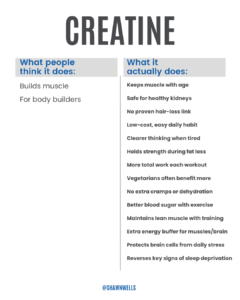
Creatine is best known for strength and muscle, but your brain also uses it to help regenerate ATP. The brain has a high, continuous energy demand, especially during sustained cognitive work.
A 2024 systematic review and meta-analysis found improvements in several areas of cognitive performance. These included memory, attention time, and processing speed.
For afternoon fatigue, creatine works better as a daily foundation than as a quick 2 PM fix. A single afternoon dose is unlikely to feel like a stimulant. Regular use gradually increases creatine stores, so consistency matters more than exact timing.
Creatine may also help when mental demand is high or sleep has been short. Human trials have reported cognitive benefits from creatine during sleep deprivation. My complete guide to creatine covers dosing, forms, research, and practical use in more detail.
2. SalidroPure® Salidroside
- Best for: Fatigue resistance during demanding days
- Typical dose: 20-60 mg per serving
- Timing: Morning or early afternoon
Salidroside is one of the main active compounds in Rhodiola rosea. SalidroPure® provides a concentrated source of salidroside, giving formulators a precise amount without relying on a full botanical extract.
Researchers have studied salidroside for fatigue, physical performance, stress resilience, and performance under sustained demand. In a recent human trial, people taking salidroside maintained performance better during a demanding exercise test. They also showed a smaller increase in fatigue than the placebo group.
Salidroside supports fatigue resistance during demanding periods instead of acting like a quick stimulant. It may suit demanding workdays, travel, training periods, or other times when fatigue builds as the day goes on.
3. Paraxanthine
- Best for: Alertness, focus, and more immediate mental energy
- Typical dose: 100-300 mg per serving
- Timing: Earlier in the day if stimulants affect your sleep
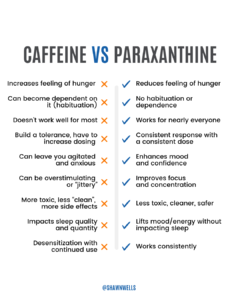
Paraxanthine is the main active metabolite your body produces when it breaks down caffeine. enfinity® provides branded paraxanthine for supplements and functional products focused on energy, focus, and cognitive performance.
Human research has found improvements in energy, productivity, focus, and cognitive performance with paraxanthine. Researchers observed these effects when participants took it around a meal.
Paraxanthine can provide more immediate support for alertness and mental performance. This can help when mental energy drops after lunch or during the second half of a long workday.
Paraxanthine still has stimulating effects, so timing matters. If stimulants interfere with your sleep, a late-afternoon dose may make the next day harder. My guide to paraxanthine and caffeine explains the differences in more detail.
4. Alpha-GPC
- Best for: Focus-heavy work and cognitive performance
- Typical dose: 350-500 mg per serving
- Timing: Roughly 30-60 minutes before demanding mental work
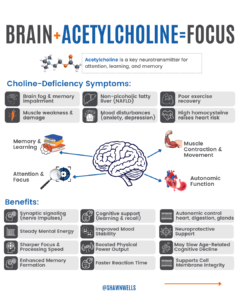
Alpha-GPC is a concentrated source of choline. Your body uses choline to make acetylcholine, a neurotransmitter involved in attention, learning, memory, and neuromuscular function.
Researchers have tested GeniusPure® Alpha-GPC in healthy adults for acute cognitive performance. In one human study, participants taking it performed better on a test involving attention, mental flexibility, and response control.
Alpha-GPC fits best when the afternoon problem feels cognitive. You may still have physical energy, but your concentration starts slipping or simple tasks take longer than they should.
Alpha-GPC supports a neurotransmitter system involved in cognitive performance. It can be useful when the main problem is fading concentration rather than physical fatigue.
Check the actual dose on the label. Proprietary blends sometimes include Alpha-GPC without clearly showing the amount or use much less than researchers have tested.
5. Dihydroberberine
- Best for: Energy drops that consistently follow meals
- Typical dose: 100-200 mg in human research
- Timing: With or around the relevant meal
Dihydroberberine, or DHB, fits a different kind of afternoon slump.
If your energy regularly drops after lunch, glucose handling may contribute to the pattern. Larger or higher-carbohydrate meals can make the pattern easier to notice. Meal size, protein, fiber, carbohydrate quality, sleep, and activity all influence how steady your energy feels after eating.
GlucoVantage® is a highly bioavailable form of DHB. It can provide greater berberine exposure at a smaller dose than standard berberine. Human research comparing DHB with regular berberine found substantially greater berberine availability from DHB.
I would consider DHB when the afternoon crash consistently follows meals rather than using it as a general pick-me-up. My article on blood sugar and energy covers post-meal sleepiness, cravings, and energy swings in more detail.
The meal still comes first. More protein and fiber, better carbohydrate choices, and a short walk after eating can noticeably change how you feel later.
6. CoQ10
- Best for: Ongoing cellular energy support
- Typical dose: 100-200 mg daily
- Timing: With a meal containing some fat
Coenzyme Q10 helps your mitochondria produce ATP, the usable energy your cells need to function.
CoQ10 is not a quick way to increase afternoon alertness. It makes more sense when low afternoon energy sits within a broader pattern of feeling run down.
A meta-analysis of 13 randomized controlled trials included more than 1,100 people. Researchers found that CoQ10 reduced fatigue compared with placebo. They also linked longer use and higher doses with larger improvements.
Because CoQ10 is fat-soluble, taking it with a meal that contains some fat can improve absorption. My supplement timing and absorption guide covers this and other common timing questions.
7. Electrolytes
- Best for: Heat, heavy sweating, training, travel, or low fluid intake
- Typical dose: Depends on sweat rate, diet, and sodium losses
- Timing: During periods of increased fluid and electrolyte loss
Electrolytes can make a real difference when fluid loss contributes to the afternoon slump.
If you trained earlier, traveled, sweated heavily, or spent time in the heat, dehydration can affect more than thirst. Sodium, potassium, magnesium, and other electrolytes help regulate fluid balance, nerve signaling, and muscle function.
A meta-analysis on dehydration and cognition found measurable effects on attention, executive function, and other areas of mental performance.
Electrolytes make the most sense when your fluid and mineral losses justify them. If you already stay well hydrated, a high-sodium drink probably will not solve the slump.
Frequently Asked Questions
Why Do I Always Crash Around 2 or 3 PM?
A natural dip in alertness occurs during the afternoon, but several factors can make it much more noticeable:
- Poor sleep: Even a couple of short nights can affect attention, reaction time, appetite, and perceived energy.
- Lunch: A large meal can leave some people noticeably sleepier. This is especially common when it is high in refined carbohydrates and low in protein or fiber.
- Dehydration: Even mild dehydration can reduce attention and mental performance.
- Not eating enough: If you train regularly or have a high workload, too little food can lower energy later.
- Long periods of sitting: A short walk after lunch can support post-meal glucose handling and break up hours of inactivity.
- Stress and mental load: Hours of concentrated work can leave you mentally drained even when you are not physically tired.
If fatigue feels severe, persistent, or lasts throughout the day, look beyond the normal afternoon dip. Low iron, B12, vitamin D, thyroid issues, sleep disorders, medications, and other health factors can all affect energy.
My supplement pyramid explains why I build supplements on top of nutrition, sleep, movement, and other fundamentals.
What Is the Best Supplement for a 3 PM Slump?
For more immediate alertness and focus, paraxanthine is one of the stronger options on this list. Alpha-GPC may fit better when concentration and mental sharpness are the main issues.
Creatine, CoQ10, and salidroside provide more ongoing support for energy and fatigue resistance. DHB fits best when the slump consistently follows meals. Electrolytes become more relevant when fluid loss or dehydration contributes to the problem.
The best supplements for afternoon energy depend on what triggers the slump and whether you need acute or ongoing support.
Can You Combine Supplements for Afternoon Energy?
Yes, but each ingredient should serve a clear purpose.
Creatine and CoQ10 usually work best as daily support. Paraxanthine and Alpha-GPC can target alertness or cognitive performance during a specific part of the day.
Salidroside may fit periods when fatigue builds over several hours. DHB targets meal-related energy issues, while electrolytes make sense when hydration, heat, or sweating play a role.
Check labels carefully when combining products. Pre-workouts, nootropics, energy powders, and functional drinks can contain overlapping stimulants or duplicate ingredients.
What Can I Take for Energy After Lunch?
Paraxanthine has human research on energy and cognitive performance around a meal, so it can fit a post-lunch slump.
Also look at the meal itself. Portion size, protein, fiber, carbohydrate quality, hydration, and movement after eating can influence the next few hours.
If larger or higher-carbohydrate meals consistently trigger the slump, DHB may also fit a broader approach to glucose management.
What Supplement Gives You Energy Without Caffeine?
Paraxanthine contains no caffeine, although your body naturally produces paraxanthine when it breaks down caffeine. Human studies suggest paraxanthine may support energy, alertness, focus, and cognitive performance.
Creatine, CoQ10, salidroside, Alpha-GPC, and electrolytes also contain no caffeine. They support energy through different mechanisms, so they will not all feel the same.
What Vitamins Help With Afternoon Fatigue?
Vitamin B12, vitamin D, folate, and iron can all affect energy when levels run low.
Taking more will not necessarily improve energy when your levels already sit in a healthy range. Base iron supplementation on your actual iron status rather than taking it routinely for fatigue.
Share

Who is Shawn Wells?
Although I’ve suffered from countless issues, including chronic pain, auto-immunity, and depression, those are the very struggles that have led me to becoming a biochemist, formulation scientist, dietitian, and sports nutritionist who is now thriving. My personal experiences, experiments, and trials also have a much deeper purpose: To serve you, educate you, and ultimately help you optimize your health and longevity, reduce pain, and live your best life.


ORDER THE ENERGY FORMULA
Discover the 6 foundational pillars to cultivate a more caring, compassionate, connected, unified and purpose-filled life.
Hardcover, Audible & EBook Available!
UNLEASH YOUR UNLIMITED POTENTIAL
