
How Much Protein Per Meal for Muscle Gain: The Simple Target Most People Miss

If you are trying to build muscle, keep strength, or look more “toned”, you have probably wondered how much protein per meal for muscle gain. Most people aim for a daily protein number, then accidentally under-dose protein at breakfast and lunch.
Here’s the practical fix. Instead of chasing perfection, you hit a simple protein target at each meal. That approach is based on human studies that measure muscle protein synthesis, which is a short-term signal, not a guarantee of long-term muscle gain. Still, it gives us a smart target you can actually use.
Why Per-Meal Protein Matters for Muscle
Your muscles do not respond to protein the same way they respond to calories. They respond in pulses.
In a classic human trial, around 20 g of high-quality protein after resistance training maximized muscle protein synthesis in young men during that recovery window, and piling on more did not always increase that signal in that moment.
That does not mean “extra protein is wasted”. It means meal size and spacing matter if you want multiple strong muscle-building signals across the day.
How Much Protein Per Meal for Muscle Gain
So what do I tell people who ask me how much protein per meal for muscle gain?
For most active adults, a strong starting range is:
0.25 to 0.40 g of protein per kilogram of body weight per meal
That range lines up with sports nutrition guidance and research summaries on protein distribution, which covers total intake, timing, and quality.
If you want an easy US shortcut, use this for three meals a day:
- 150 lb: 25-35 g per meal
- 180 lb: 30-40 g per meal
- 210 lb: 35-45 g per meal
If you are over 40, dieting, or not recovering well, lean toward the higher end. Many older adults need a stronger per-meal “signal” to get the same response.
Protein Distribution Beats “All at Dinner”
A lot of people eat 10 to 15 g at breakfast, 20 g at lunch, then 70 g at dinner.
That feels productive, but it often under-delivers. Why? Because you miss two chances to stimulate muscle protein synthesis earlier in the day.
In a human trial in The Journal of Physiology, researchers compared different ways of distributing the same total protein after lifting. Moderate servings spaced out during recovery led to a stronger muscle protein synthesis response than fewer huge servings or tiny frequent servings.
This is why I focus on per-meal targets. It is the simplest way to improve protein timing without turning your day into a spreadsheet.
The Breakfast Protein Fix Most People Need
If you only change one thing, change breakfast.
A high-protein breakfast makes it easier to hit your total daily protein, and it helps appetite and cravings for a lot of people. It also sets you up for better training energy later.
If you want a simple breakdown of food options versus powders, I laid it out in Protein-Rich Foods vs. Protein Powder: What’s Best for You?
Easy breakfasts that usually land in the right range:
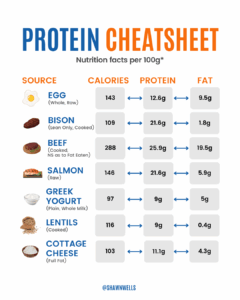
- 3 whole eggs plus a cup of Greek yogurt
- Cottage cheese bowl plus berries plus pumpkin seeds
- A smoothie that includes protein plus carbs and fiber, not just powder and water
Three Meal Templates That Hit The Target
You do not need perfect meals. You need repeatable meals with a clear protein anchor.
Template 1: Protein + produce + carb (if you train)
- Protein: chicken, turkey, lean beef, salmon, tofu, tempeh
- Produce: big serving of vegetables
- Carb: rice, potatoes, beans, fruit, or oats
Most people hit 30 to 40 g protein with about 5 to 7 oz cooked meat or fish. Plant proteins often need bigger portions.
Template 2: The “bowl” meal
- Base: rice, quinoa, potatoes, or greens
- Protein: rotisserie chicken, canned tuna, tofu, lentils
- Fat: olive oil, avocado, nuts
- Add-ons: salsa, slaw, peppers, cucumber
This is one of the easiest ways to control protein distribution without overthinking it.
Template 3: The snack plate that counts
This is for travel days or busy work days.
- Greek yogurt or cottage cheese
- Jerky or turkey slices
- Fruit
- Nuts
If lunch is usually “random bites”, this turns it into a real meal with enough protein to matter.
What If You Prefer Plant-Based Protein?
You can absolutely build muscle with plant-forward eating. You just need to be a little more intentional about protein quality and total dose.
Plant proteins often have lower levels of some essential amino acids per serving. That does not make them inferior. It just means you may need a larger serving, a blend of sources, or a high-quality mixed protein powder.
A recent review in Nutrition Reviews looked at the evidence comparing plant and animal proteins, and the differences can shrink when total protein is matched, depending on the protein source and context.
Practical tip: mix sources, like rice plus beans, or tofu plus lentils, and aim for the higher end of the per-meal range.
Focus Support That Does Not Fight Your Sleep
Protein does not work in a vacuum. Training quality and sleep are part of the muscle equation, and both affect how easy it is to hit your per-meal protein target consistently.
If caffeine makes you jittery, hurts your appetite, or messes with your sleep, it can indirectly make your protein routine harder. That is one reason enfinity paraxanthine is interesting. It has been studied in a small human crossover trial for attention and short-term memory measures, with results suggesting it may support sustained focus in some people.
This is not a muscle-building supplement by itself. I see it as an optional tool that may help you train with better focus earlier in the day, then still sleep well enough to recover and show up hungry enough to hit your next meal’s protein target.
My Favorite Enfinity Paraxanthine Products
If you want to try enfinity paraxanthine as a cleaner focus option, these are a few products I personally use or trust. I like them because they let you test your response in different formats, depending on what your day looks like.
One simple guideline: start low, take it earlier in the day, and do not stack it on top of a heavy caffeine habit until you know how your sleep and appetite respond.
- MTE: More Than Energy
Use code SWELLS for 15% off
A daily packet mix you add to water, built for jitter-free energy, attention, and mood support, with a gut-friendly angle like fiber and prebiotics. Helpful if you want “daily reset” style focus instead of an energy drink.

- Life Cider X Paraxanthine Energy
Use code SHAWNWELLS for 15% off
A ready-to-drink energy beverage that combines paraxanthine with apple cider vinegar for people who want clean energy with a functional twist. Good for daytime focus when you prefer something more “wellness drink” than classic energy drink.

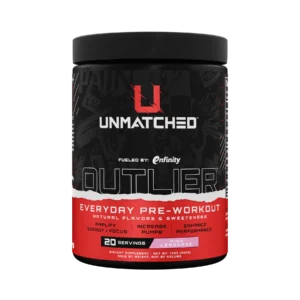
- Outlier Everyday Pre-Workout
Use code SHAWN10 for 10% off
A flavored pre-workout powder you mix with water, positioned for energy, focus, pumps, and performance, with paraxanthine as the stimulant choice. Best fit when you want a true training product, not just workday focus.
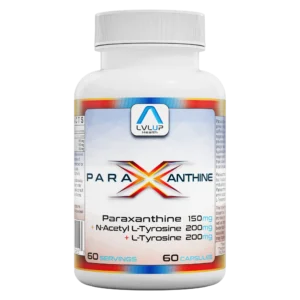
- LVLUP Health ParaXanthine
Use code WELLS for 15% off
A capsule-based option for clean, predictable focus, designed more for cognitive energy than “energy drink vibes”. It pairs paraxanthine with L-tyrosine and N-acetyl L-tyrosine to support motivation and mental drive, which can be useful on workdays or training days when you want stimulation without the usual caffeine chaos.
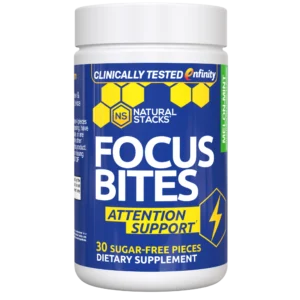
- Natural Stacks Focus Bites
Use code SHAWN for 15% off
Fast-acting, sugar-free chewable bites made for deep work and on-the-go focus, with enfinity paraxanthine and B12. Great when you do not want a drink, or you want something easy to carry for travel or long work blocks.
A 7-Day Test to Dial In Your Target
Still unsure about how much protein per meal for muscle gain? Run this simple one-week experiment.
- Pick one target, like 30 to 40 g per meal.
- Hit it at breakfast, lunch, and dinner.
- Keep your training the same.
- Track three things: hunger, workout performance, and soreness.
By the end of the week, you should notice the pattern. More stable energy, better recovery, and fewer cravings usually mean you are close to your real per-meal target. When it feels hard to execute, the fix is almost always meal structure, not more supplements. Food first, then everything else.
Conclusion: Make Protein “Automatic” at Every Meal
If you remember one thing from this, remember this: how much protein per meal for muscle gain matters because your muscles respond best to consistent protein “hit”, not one giant dinner.
Start simple. Pick a per-meal target you can actually repeat. For most people, 30 to 40 g per meal is a strong place to begin. Then build your meals around a protein anchor first, and fill in the rest from there.
Here are the moves that make the biggest difference fast:
- Hit 30 g of protein at breakfast for 7 straight days
- Spread protein across 3 meals instead of saving it for dinner
- Use a repeatable template, like a bowl meal or snack plate, on busy days
- If you are over 40, dieting, or not recovering well, aim closer to the higher end per meal
- If caffeine hurts appetite or sleep, consider paraxanthine earlier in the day as an optional focus tool, and stop if sleep worsens
If you want more weekly, practical, science-backed insights like this, you can join my newsletter. I share simple strategies you can actually use, plus the “why” behind them, so you can stay on top of your health without getting lost in noise.


References
Areta, J. L., Burke, L. M., Ross, M. L., Camera, D. M., West, D. W., Broad, E. M., … & Coffey, V. G. (2013). Timing and distribution of protein ingestion during prolonged recovery from resistance exercise alters myofibrillar protein synthesis. The Journal of physiology, 591(9), 2319-2331.
Jäger, R., Kerksick, C. M., Campbell, B. I., Cribb, P. J., Wells, S. D., Skwiat, T. M., … & Antonio, J. (2017). International society of sports nutrition position stand: protein and exercise. Journal of the International Society of Sports Nutrition, 14(1), 20.
Moore, D. R., Robinson, M. J., Fry, J. L., Tang, J. E., Glover, E. I., Wilkinson, S. B., … & Phillips, S. M. (2009). Ingested protein dose response of muscle and albumin protein synthesis after resistance exercise in young men. The American journal of clinical nutrition, 89(1), 161-168.
Reid-McCann, R. J., Brennan, S. F., Ward, N. A., Logan, D., McKinley, M. C., & McEvoy, C. T. (2025). Effect of plant versus animal protein on muscle mass, strength, physical performance, and sarcopenia: a systematic review and meta-analysis of randomized controlled trials. Nutrition Reviews, 83(7), e1581-e1603.
Yoo, C., Xing, D., Gonzalez, D., Jenkins, V., Nottingham, K., Dickerson, B., … & Kreider, R. B. (2021). Acute paraxanthine ingestion improves cognition and short-term memory and helps sustain attention in a double-blind, placebo-controlled, crossover trial. Nutrients, 13(11), 3980.
Share

Who is Shawn Wells?
Although I’ve suffered from countless issues, including chronic pain, auto-immunity, and depression, those are the very struggles that have led me to becoming a biochemist, formulation scientist, dietitian, and sports nutritionist who is now thriving. My personal experiences, experiments, and trials also have a much deeper purpose: To serve you, educate you, and ultimately help you optimize your health and longevity, reduce pain, and live your best life.
MORE BLOGS


ORDER THE ENERGY FORMULA
Discover the 6 foundational pillars to cultivate a more caring, compassionate, connected, unified and purpose-filled life.
Hardcover, Audible & EBook Available!
UNLEASH YOUR UNLIMITED POTENTIAL
