
Kiwi Before Bed: Can Eating 2 Kiwis Help You Sleep Better?
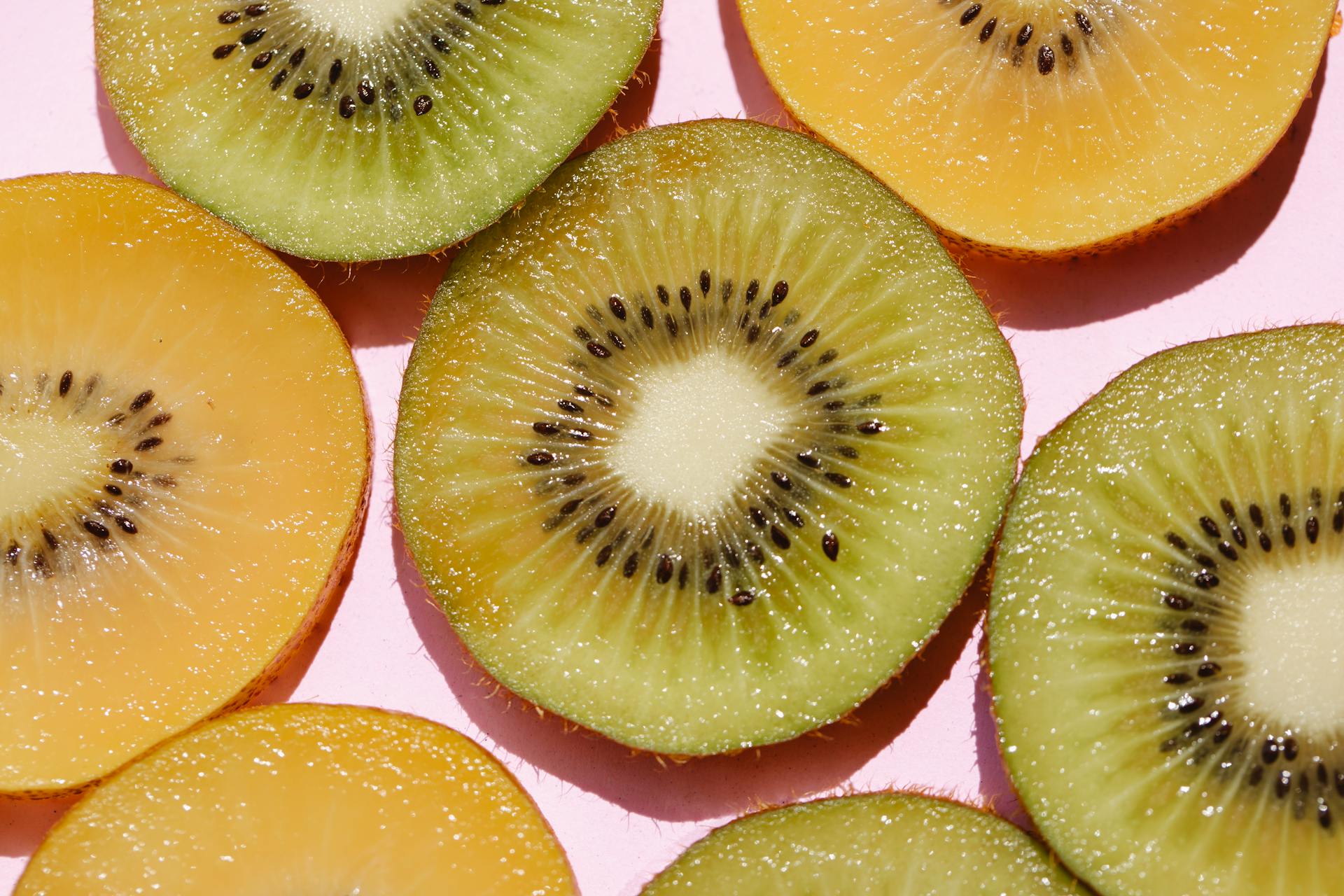
I love a health experiment that is simple, affordable, and easy to track. Kiwi before bed fits that category. The idea is to eat 2 green kiwis about 1 hour before sleep for a few weeks and see if your sleep quality improves.
That does not mean kiwi is a cure for sleep problems. It means kiwi has been studied as a food-based way to support sleep quality, sleep duration, and nighttime recovery. The research is still early, but it is interesting enough to take seriously.
For most people, this is an easy experiment to run. It does not require a new device, a complicated supplement stack, or a complete lifestyle overhaul. It just requires consistency and a little attention to how your body responds.
Quick Answer: Does Kiwi Before Bed Help Sleep?
Kiwi before bed may help some people sleep better. In small human trials, eating 2 kiwis about 1 hour before bedtime for 4 weeks has been linked to better sleep quality, longer total sleep time, improved sleep efficiency, and fewer nighttime awakenings.
One early study in adults with sleep problems found that 2 kiwis before bed was associated with faster sleep onset and improved sleep duration after 4 weeks. A newer study in elite athletes found that 2 green kiwis before bed may support sleep and recovery, including sleep quality, total sleep time, sleep efficiency, nighttime awakenings, and recovery stress balance.
The key word is may. These studies are promising, but they are small. I would not call kiwi a treatment for insomnia or a replacement for healthy sleep habits. I would call it a practical food-first sleep experiment.
What the Kiwi Sleep Studies Show
The most talked-about kiwi sleep research used a simple protocol: 2 kiwis, 1 hour before bed, every night for 4 weeks.
In the early adult sleep study, participants had self-reported sleep problems. After 4 weeks, researchers saw improvements in several sleep markers, including time to fall asleep, waking after sleep onset, total sleep time, and sleep efficiency.
That matters because sleep is not just about how many hours you spend in bed. You can struggle to fall asleep, wake up several times during the night, or sleep 8 hours and still feel like you never fully recovered. Good sleep is about quality, continuity, and how you feel the next day.
In the elite athlete trial, athletes ate 2 medium green kiwis 1 hour before bed for 4 weeks. Researchers reported improvements in sleep quality, total sleep time, sleep efficiency, nighttime awakenings, and recovery stress balance.
That recovery piece matters. Sleep is when the body repairs, adapts, and recalibrates. That is true whether you are training hard, working long days, raising kids, managing stress, or just trying to feel like yourself again.
Why Might Kiwi Help You Sleep?
There is probably not one magic compound in kiwi. That is usually not how food works.
Whole foods tend to work through a matrix. Kiwi contains vitamin C, fiber, potassium, folate, antioxidants, and plant compounds. It has also been studied for compounds related to serotonin and melatonin metabolism.
A 2023 randomized crossover study looked at fresh and dried green kiwifruit, sleep quality, mood, and urinary serotonin and melatonin metabolites. The researchers noted that kiwi has been associated with improved sleep quality, but the exact mechanisms are still not fully clear.
That is the honest answer. Kiwi may support sleep through several pathways, but we should not pretend we know every detail yet.
Serotonin and Sleep Regulation
Kiwi contains serotonin, which is involved in mood, circadian rhythm, and sleep regulation. Serotonin is also part of the pathway your body uses to make melatonin.
That does not mean eating kiwi works like taking melatonin. Food has to be digested, absorbed, and processed. Brain chemistry is not as simple as “eat serotonin, sleep better.”
Still, the serotonin and melatonin pathway is one reason researchers are interested in kiwi for sleep. Human trials suggest kiwi may support sleep quality, but we cannot say kiwi directly fixes sleep by raising melatonin in the brain. That would be too strong.
Antioxidants, Recovery, and Bedtime Digestion
Poor sleep and oxidative stress can feed into each other. When you sleep poorly, your body has a harder time managing stress and recovery. When your body is under more oxidative stress, sleep quality may suffer too.
Kiwi is rich in vitamin C and other antioxidants, which may be one reason it has been studied for sleep and recovery. I would not overstate this, because eating kiwi is not the same as fixing every stress signal in the body. But if a food brings antioxidants, fiber, micronutrients, and a light bedtime snack format, it can be a smart place to start.
Kiwi also provides fiber and contains actinidin, an enzyme that helps break down protein. For some people, kiwi may support digestion and regularity. That matters because a heavy meal too close to bed, reflux, bloating, or blood sugar swings can all make sleep worse.
Kiwi is light, easy to prepare, and not overly filling for most people. Of course, if acidic fruit gives you reflux or stomach discomfort, kiwi before bed is not the right tool for you.
How to Try Kiwi Before Bed
Here is how I would test kiwi before bed.
Eat 2 medium green kiwis about 1 hour before bed. Try it for 2 to 4 weeks. Most of the sleep research used green kiwi, so I would start there if you want to follow the research as closely as possible. Gold kiwi is still nutritious, but the bedtime protocol people talk about is mostly based on green kiwi.
Keep the rest of your routine as consistent as possible. Do not start kiwi, change your caffeine timing, add magnesium, begin a new workout plan, buy a cooling mattress, and start meditation all in the same week. Then you will have no idea what helped.
Track a few simple markers:
- How long it takes to fall asleep
- How many times you wake up
- Total sleep time
- Sleep efficiency, if your wearable tracks it
- Morning energy
- Mood
- Digestion
- Resting heart rate or HRV, if you track them
- Overnight glucose, if you use a CGM
Your wearable can help, but do not worship the wearable. Your body still gets a vote. If your sleep score looks better but you wake up feeling worse, pay attention. If your sleep score barely moves but you feel calmer, more rested, and more alert, pay attention to that too.
Is Kiwi Better Than Melatonin?
Kiwi and melatonin are not the same tool.
Melatonin is a hormone. It is more about circadian timing. It may be useful for things like jet lag, shift work, or delayed sleep timing when used properly.
Kiwi is food. It may support sleep quality through a mix of nutrients, fiber, antioxidants, and sleep-related compounds.
So I would not ask, “Which one is better?” I would ask, “What problem are we trying to solve?”
If your issue is circadian timing, melatonin may be worth discussing with a qualified practitioner. If your issue is that you want a simple, food-first way to support better sleep quality, kiwi before bed is a reasonable experiment.
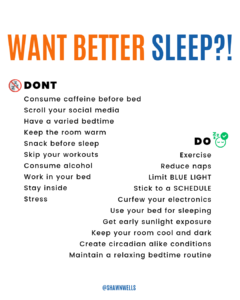
And if your basics are a mess, neither one will save you. Late caffeine, alcohol, stress, bright screens, poor blood sugar control, and an inconsistent bedtime can overpower a lot of good tools.
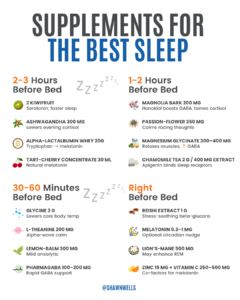
That is why I always come back to foundations: morning light, a cooler room, an earlier caffeine cutoff, a calmer evening routine, smart nutrition, and the right supplements when they make sense. For people who struggle with tension, stress, or low intake, magnesium may also support relaxation and sleep quality when used appropriately.
Who Should Be Careful With Kiwi Before Bed?
Kiwi is a healthy food for many people, but it is not for everyone.
Avoid kiwi if you have a kiwi allergy. Be careful if you have a latex allergy, since some people with latex allergy can react to certain fruits, including kiwi.
If acidic foods trigger reflux for you, kiwi before bed may make that worse. If you are watching blood sugar, test your response. Kiwi contains natural sugar. That does not make it bad, but your response matters.
If 2 kiwis feel too filling, too acidic, or too much sugar before bed, start with 1 kiwi or move it earlier in the evening. You can also pair it with a small amount of protein or fat, such as plain Greek yogurt or a few walnuts, if that helps you feel steadier.
If you have a medical condition, take medications, or follow a strict nutrition plan, talk with your healthcare provider before making a nightly change. That is not fear. That is common sense.
FAQs About Kiwi Before Bed
How many kiwis should I eat before bed?
Most studies used 2 medium green kiwis about 1 hour before bed.
How long does kiwi take to improve sleep?
The common study protocol is 4 weeks. Some people may notice changes sooner, but I would test it for at least 2 weeks before judging.
Can I eat 1 kiwi instead of 2?
Yes. Two kiwis match the research better, but 1 kiwi may be a better starting point if you are sensitive to fruit, sugar, acidity, or fullness before bed.
Is green kiwi or gold kiwi better for sleep?
Most of the sleep research used green kiwi. If you want to follow the research closely, use green kiwi.
Can kiwi replace melatonin?
No. Kiwi is a food. Melatonin is a hormone. They are different tools and should not be treated as interchangeable.
Is kiwi before bed good for blood sugar?
It depends on the person. Kiwi contains natural sugar along with fiber and nutrients. If you monitor blood sugar, test your personal response.
Can kiwi help with waking up at night?
Small human trials suggest kiwi may reduce nighttime awakenings in some people, but results vary. It is not a guaranteed fix.
Is kiwi safe to eat every night?
For many healthy adults, yes. Avoid it if you have a kiwi allergy, and be cautious if you have latex allergy, reflux, or blood sugar concerns.
My Take on Kiwi Before Bed
My take is simple: kiwi before bed is worth testing if you want a food-first way to support better sleep.
It is affordable, easy to find, simple to track, and backed by small but promising human studies. It is not magic, and it will not override poor sleep habits. But as part of a solid evening routine, it may help some people fall asleep more easily, wake up less often, and feel more recovered in the morning.
Try 2 green kiwis about 1 hour before bed for 2 to 4 weeks. Track your sleep, digestion, morning energy, and glucose response if that matters for you. If it helps, great. If it does not, you still learned something useful about your body.
That is the point of a good health experiment: test one thing, keep the rest consistent, and let your body give you honest feedback.
For more practical, science-backed insights on supplements, nutrition, energy, sleep, and recovery, join my weekly newsletter.

References
Doherty, R., Madigan, S., Nevill, A., Warrington, G., & Ellis, J. G. (2023). The impact of kiwifruit consumption on the sleep and recovery of elite athletes. Nutrients, 15(10), 2274.
Kanon, A. P., Giezenaar, C., Roy, N. C., McNabb, W. C., & Henare, S. J. (2023). Acute effects of fresh versus dried Hayward green kiwifruit on sleep quality, mood, and sleep-related urinary metabolites in healthy young men with good and poor sleep quality. Frontiers in Nutrition, 10, 1079609.
Lin, H. H., Tsai, P. S., Fang, S. C., & Liu, J. F. (2011). Effect of kiwifruit consumption on sleep quality in adults with sleep problems. Asia Pacific journal of clinical nutrition, 20(2), 169-174.
Share

Who is Shawn Wells?
Although I’ve suffered from countless issues, including chronic pain, auto-immunity, and depression, those are the very struggles that have led me to becoming a biochemist, formulation scientist, dietitian, and sports nutritionist who is now thriving. My personal experiences, experiments, and trials also have a much deeper purpose: To serve you, educate you, and ultimately help you optimize your health and longevity, reduce pain, and live your best life.



ORDER THE ENERGY FORMULA
Discover the 6 foundational pillars to cultivate a more caring, compassionate, connected, unified and purpose-filled life.
Hardcover, Audible & EBook Available!
UNLEASH YOUR UNLIMITED POTENTIAL
