
How Your Gut Talks to Your Brain, and How to Listen

If you feel foggy or on edge and cannot pin down why, start with your gut. The gut brain connection is a two-way conversation between your digestive system and your nervous system. Signals travel through nerves, hormones, immune messengers, and compounds made by the gut microbiome. Those signals can shape your focus, mood balance, and daily energy.
How The Gut Brain Connection Actually Works
The gut-brain axis links your intestinal tract with your brain through the vagus nerve, circulating metabolites, and immune signaling. Reviews in Neuroscience & Biobehavioral Reviews describe how vagal pathways may influence attention and emotional regulation as human evidence grows. Studies in Cell Host & Microbe show that microbial processing of nutrients can affect serotonin in gut and glucose handling outside the brain, which helps explain why some meals leave you alert while others leave you sluggish.
What are the symptoms of gut-brain issues?
People often ask, “What does an unhealthy gut feel like?” Here are patterns I see most:
- Brain fog after meals, trouble switching tasks, or shorter attention span
- Mood swings or feeling “amped” without a clear reason
- Bloating, irregularity, or cramping tied to certain foods
- Afternoon dip in energy even when sleep looks okay
These are common wellness signals, not diagnoses. If symptoms are severe or persistent, see your clinician.
What are the symptoms of vagus nerve dysfunction?
When vagal tone is low, you may notice a faster stress response, shallow breathing, poor digestive health after heavy meals, and a harder time downshifting at night. If you have red-flag symptoms or pain, get medical care. For everyday support, simple breath and movement practices can help you relax the vagus nerve and restore a calmer baseline.
How Do I Fix My Gut-Brain Connection?
I start with small levers that compound over time:
- Build balanced plates and steady mealtimes. Keep portions simple: a palm of protein, a fist of veggies, a cupped hand of whole-food carbs.
- Walk 10 minutes after your largest meal. A short post-meal walk helps digestion and can cut the post-lunch fog.
- Breathe slow before focus. 2 minutes of nasal breathing helps calm the stress response through the vagal pathway.
- Prioritize a simple sleep routine. Calmer nights make for steadier days and a smoother gut brain connection.
Apple Cider Vinegar + Paraxanthine for The Gut-Brain Axis
Readers often ask, “What foods support the gut-brain axis?” and “What supplements are good for the gut-brain axis?” I keep habits first, then layer simple tools that may help the gut brain connection feel smoother.
- Apple cider vinegar (ACV). A small, diluted serving with meals has been studied for moderating post-meal glucose in some contexts. When your glucose response is steadier, many people notice fewer crashes and clearer thinking. If you test it, always dilute in water to protect teeth and speak with your clinician if you use medications.
- Enfinity paraxanthine. A purified form of caffeine’s main metabolite. Human trials suggest it may support alertness, reaction time, and focus with fewer jitters than typical caffeine for many people. I like it in the morning for steady attention that doesn’t feel spiky.
How they pair: ACV at meals supports steadier post-meal signals. Enfinity paraxanthine in the morning supports clear daytime focus. Together, they complement food quality, fiber, movement, and sleep. Neither replaces core habits.
How to Use Enfinity Paraxanthine in Your Routine
If you want real-world options that match this plan, these products use enfinity paraxanthine. They are optional tools, not replacements for food quality, walking, and sleep.
- MTE: More Than Energy
Use code SWELLS for 15% off
Powdered blend with enfinity paraxanthine plus select nootropics, adaptogens, a bit of prebiotic fiber, and essential nutrients. I use it on busy workdays when I want steady attention without caffeine. - Update Energy Drink
Use code SHAWN for 25% off
Lightly carbonated, with enfinity paraxanthine, B vitamins, and electrolytes. Good for commute mornings or pre-meeting clarity. - Life Cider X Paraxanthine Energy Drink
Use code SHAWNWELLS for 15% off
Combines enfinity paraxanthine with apple cider vinegar and raw honey, a simple way to align the ACV strategy with clean alertness. - Outlier Everyday Pre-Workout
Apply code SHAWN10 for 10% off
Naturally flavored pre-workout using enfinity paraxanthine with performance ingredients like beta-alanine and citrulline. I take it about 30 minutes before training. - Natural Stacks Focus Bites
Use code SHAWN for 15% off
Chewable bites with enfinity paraxanthine and vitamin B12. Handy on travel days or when mornings are tight.
Safety notes: If you are pregnant, nursing, sensitive to stimulants, or on medication, talk with your clinician first. Add only one new product at a time, use it at the same time of day for several days, and track energy, mood balance, and sleep so you learn what truly helps.
What Foods Support The Gut-Brain Axis?
Build your grocery list around these categories:
- Prebiotics: onions, garlic, leeks, asparagus, bananas, oats, legumes
- Fermented foods: yogurt, kefir, kimchi, sauerkraut
- Fiber target: 25-35 g most days from beans, lentils, oats, chia, berries, vegetables
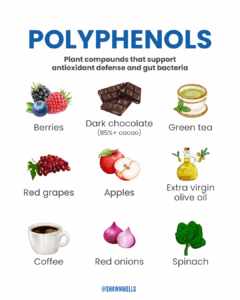
- Polyphenol-rich plants: berries, cocoa, extra-virgin olive oil, herbs, spices
- Quality proteins and healthy fats: fish, eggs, olive oil, avocados, nuts, seeds
These choices feed microbes that make short-chain fatty acids, support the gut lining, and may reduce unnecessary inflammation, all of which help the gut-brain axis work in your favor.
What Heals The Gut The Fastest?
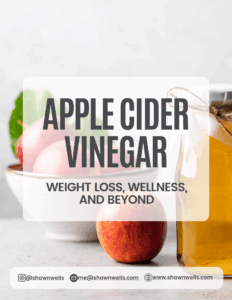
There is no instant fix, but you can speed progress by removing the biggest daily irritants and adding steady support. Start with fiber foods and fermented foods, consistent mealtimes, a 10-minute walk after your largest meal, and a simple sleep routine. Hydrate, limit alcohol, and reduce ultra-processed snacks. These steps help the gut lining, support microbiota diversity, and may reduce unnecessary inflammation. If you want a practical mealtime tool that many readers find helpful, use the strategies in my free Apple Cider Vinegar Guide.
Is The Gut-Brain Axis Linked to Anxiety?
The gut-brain axis has been associated with stress and mood in emerging human research. Meta-analyses in peer-reviewed journals report that Probiotics and Prebiotics have been studied for modest improvements in perceived stress and mood scores, with results depending on strain, dose, and duration. This is supportive, not curative. If symptoms are severe or persistent, see your clinician. For everyday wellness, focus on food quality, fiber, movement, daylight, and sleep, then consider targeted add-ons.
What Supplements Are Good for The Gut-Brain Axis?
Food first, then tools. When habits are in place, these options may help:
- Probiotics: Choose products that list exact strains and amounts. Human trials suggest certain strains may support mood balance and digestive comfort over weeks, not days.
- Prebiotics: Inulin, FOS, GOS, and resistant starch feed beneficial microbes and increase short-chain fatty acids, which support the gut lining.
- Polyphenols: Berries, cocoa, extra-virgin olive oil, and herbs provide compounds that feed helpful microbes.
- Mineral support when warranted: If you are evaluating basics like magnesium, my approach to forms and dosing is summarized in the Magnesium Guide.
Supplements work best on top of consistent meals, walking, and sleep. Keep labels transparent and start low.


Vagus Nerve Basics You Asked About
How to relax the vagus nerve?
Use simple inputs that encourage a calmer state. Slow nasal breathing for two minutes, a relaxed post-meal walk, humming or gentle gargling, a warm shower, and time in daylight can all nudge the vagal pathway. Reviews in Nature Reviews Endocrinology describe how vagal signaling participates in an anti-inflammatory reflex, which may help explain why these practices feel grounding.
How to test your vagus nerve?
At home, think in terms of signals, not diagnoses. You can track heart rate variability with a wearable, note how quickly your heart rate settles after a brisk climb, or score how easily you downshift before bed. If something feels off or you have concerning symptoms, get medical care. There is no single DIY test that diagnoses vagus function.
What does vagus nerve pain feel like?
The vagus nerve itself does not create a classic “pain” sensation you can pinpoint. Neck, chest, or abdominal pain needs clinical evaluation. If you experience sharp, new, or persistent pain, see your clinician promptly.
Troubleshooting Common Questions
What are the symptoms of gut-brain issues?
People often notice brain fog, low morning drive, a shorter fuse, bloating or irregularity with certain meals, and a mid-afternoon dip. These are common wellness signals that your gut brain connection could use support. Track when they happen, especially 60 to 90 minutes after eating.
What does an unhealthy gut feel like?
Think patterns, not perfection. Frequent bloating, unpredictable bathroom habits, heavy fatigue after meals, and edgy mood can point to a gut-level trigger. Start by adjusting fiber intake, meal balance, and walking after meals. If symptoms persist or worsen, seek care.
A Simple 14-Day Gut-Brain Reset
1-3: Foundation
- Build plates with protein, fiber foods, and healthy fats.
- Add one fermented food on three days this week.
- Walk 10 minutes after your biggest meal.
- 2 minutes of slow nasal breathing before your main focus block.
4-10: Signals
- Keep a quick log of post-meal clarity, afternoon energy, mood steadiness, and bowel comfort.
- Try one Prebiotic source daily, like oats, beans, or green bananas.
- Keep dinner 2-3 hours before bed with lights dimmer after sunset.
11-14: Fine-tune
- If post-meal dips are common, add a small, diluted serving of apple cider vinegar with meals and watch how your energy and focus feel over the next hour.
- If mornings are sluggish, get outside light within an hour of waking and do a brief mobility circuit.
- If you test a probiotic, use one product consistently for the full 2 weeks, then reassess.
By day 14, rescore your top 3 signals. Keep what helped and change one variable at a time if you need more progress. The gut brain connection improves with what you do most days, not with perfection.
Key Takeaways and Your Next Step
- The gut brain connection runs through the gut-brain axis, the vagus nerve, and metabolites from the gut microbiome. Small inputs add up.
- Focus on fiber, fermented foods, balanced plates, short walks, and a steady sleep routine. These support the gut lining, short-chain fatty acids, and overall digestive health.
- Supplements can help after habits. Choose targeted Probiotics, Prebiotics, and polyphenols with transparent labels and consistent dosing.
- Track post-meal clarity, afternoon energy, mood steadiness, bowel comfort, and sleep for two weeks to see what truly moves the needle.
If you want an easy, high-impact place to start, grab my free Apple Cider Vinegar Guide. It shows a safe, simple mealtime routine many readers use to support steadier energy and a smoother gut brain connection.


References
Buffey, A. J., Herring, M. P., Langley, C. K., Donnelly, A. E., & Carson, B. P. (2022). The acute effects of interrupting prolonged sitting time in adults with standing and light-intensity walking on biomarkers of cardiometabolic health: A systematic review and meta-analysis. Sports Medicine, 52, 1765–1787.
Hadi, A., Pourmasoumi, M., Najafgholizadeh, A., Clark, C. C. T., & Esmaillzadeh, A. (2021). The effect of apple cider vinegar on lipid profiles and glycemic parameters: A systematic review and meta-analysis of randomized clinical trials. BMC Complementary Medicine and Therapies, 21, 179.
Jameson, K. G., Kazmi, S. A., Ohara, T. E., Son, C., Yu, K. B., Mazdeyasnan, D., … Hsiao, E. Y. (2024). Select microbial metabolites in the small intestinal lumen regulate vagal activity via receptor-mediated signaling. iScience, 28(2), 111699.
Li, T. T., Chen, X., Huo, D., Arifuzzaman, M., Qiao, S., Jin, W. B., … & Guo, C. J. (2024). Microbiota metabolism of intestinal amino acids impacts host nutrient homeostasis and physiology. Cell host & microbe, 32(5), 661-675.
Pavlov, V. A., & Tracey, K. J. (2012). The vagus nerve and the inflammatory reflex—linking immunity and metabolism. Nature Reviews Endocrinology, 8(12), 743-754.
Steenbergen, L., Maraver, M. J., Actis-Grosso, R., Ricciardelli, P., & Colzato, L. S. (2021). Recognizing emotions in bodies: Vagus nerve stimulation enhances recognition of anger while impairing sadness. Cognitive, Affective, & Behavioral Neuroscience, 21(6), 1246-1261.
Wastyk, H. C., Fragiadakis, G. K., Perelman, D., Dahan, D., Merrill, B. D., Yu, F. B., … Sonnenburg, E. D. (2021). Gut-microbiota-targeted diets modulate human immune status. Cell, 184(16), 4137–4153.e14.
Yano, J. M., Yu, K., Donaldson, G. P., Shastri, G. G., Ann, P., Ma, L., … Hsiao, E. Y. (2015). Indigenous bacteria from the gut microbiota regulate host serotonin biosynthesis. Cell, 161(2), 264–276.
Share

Who is Shawn Wells?
Although I’ve suffered from countless issues, including chronic pain, auto-immunity, and depression, those are the very struggles that have led me to becoming a biochemist, formulation scientist, dietitian, and sports nutritionist who is now thriving. My personal experiences, experiments, and trials also have a much deeper purpose: To serve you, educate you, and ultimately help you optimize your health and longevity, reduce pain, and live your best life.


ORDER THE ENERGY FORMULA
Discover the 6 foundational pillars to cultivate a more caring, compassionate, connected, unified and purpose-filled life.
Hardcover, Audible & EBook Available!
UNLEASH YOUR UNLIMITED POTENTIAL
